
Dogs have pulled sleds across frozen tundra, served in wars, guided the blind, sniffed out disasters, and made strangers smile on the street every single day. Every year on 26 August, we celebrate dogs and flood every platform with photos, videos, and general appreciation for them. It’s a reminder that the relationship between humans and dogs is one of the oldest and most moving stories in history.
- The Story Behind International Dog Day
- Fifteen Thousand Years and Counting
- The Working Life of Dogs
- A Dog in Every Culture: How the World Has Loved Them
- Famous Dogs Who Made History
- Dogs That Stole the Spotlight 🎬📚
- Still Showing Up
The Story Behind International Dog Day
International Dog Day was founded in 2004 by animal welfare advocate Colleen Paige to draw attention to the number of dogs in need of rescue each year and to encourage adoption across all breeds. The day has grown into a global event marked by adoption drives, fundraising campaigns, and educational content. At its core, the message is simple: every dog deserves a good life, and International Dog Day is as much about the ones who haven’t found theirs yet as the ones who have.
“The world would be a nicer place if everyone had the ability to love as unconditionally as a dog.” — M.K. Clinton
Fifteen Thousand Years and Counting
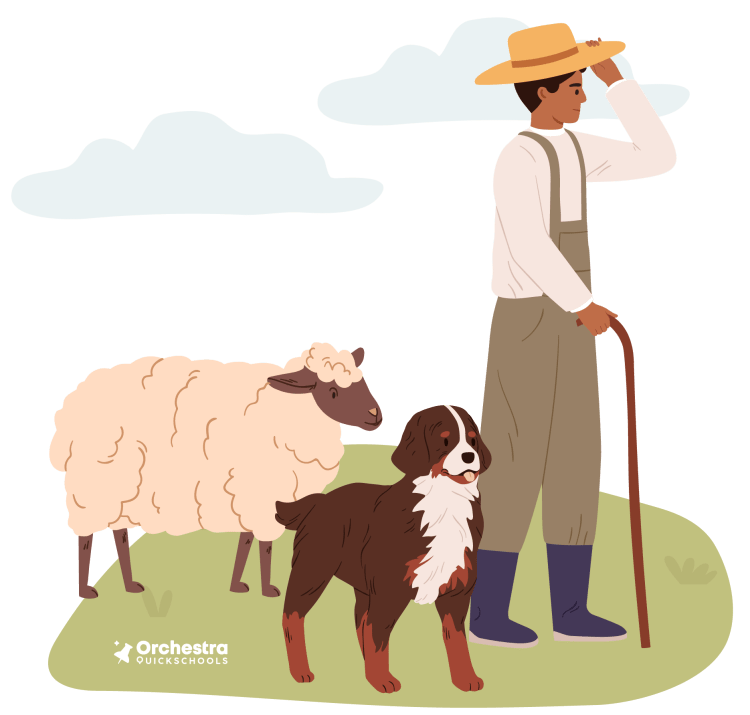
Dogs are the first animals humans ever domesticated, long before cattle, horses, or cats. The exact timeline is debated, but most researchers place it somewhere between 15,000 and 40,000 years ago.
It started, as most great partnerships do, with mutual self-interest. Wolves edged toward human camps for food scraps. Humans noticed the wolves were alert to predators and helpful in the hunt. Over generations, the friendlier animals survived and thrived. The rest is an extraordinarily long history of shared meals, shared territory, and eventually, shared sofas.
What makes dogs genuinely different from every other domesticated species is that they have fully evolved to exist with humans. Cats domesticated themselves and kept their independence. Horses, cattle, and sheep were domesticated for specific utility. But dogs, over thousands of years of breeding and cohabitation, became something closer to a social species that considers humans part of its pack. They read our faces, respond to our moods, and form attachments that look, by almost every measurable standard, a lot like love.
The Working Life of Dogs
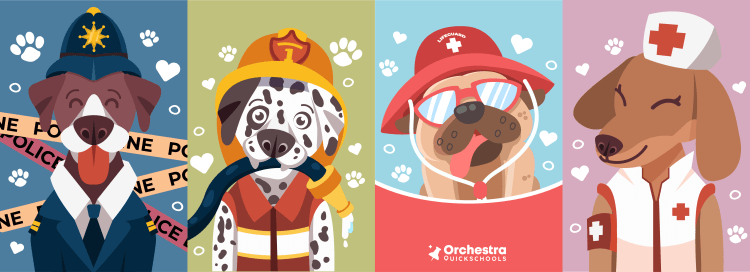
Another thing that sets dogs apart from almost every other animal in human history is how many different jobs they’ve held and how seriously they’ve taken all of them.
Herding dogs
Border Collie, Australian Kelpie, and Welsh Corgi (yes, really) were bred specifically to manage livestock, often working vast distances with minimal instruction. The Border Collie is widely considered the most intelligent dog breed on the planet. They are capable of learning hundreds of words and solving problems that stump other animals entirely.
Scent dogs
Their sense of smell is estimated to be anywhere from 10,000 to 100,000 times more sensitive than a human’s. This makes them invaluable in search and rescue operations, drug and explosive detection, and increasingly in medical contexts. Dogs have been trained to detect certain cancers, predict epileptic seizures, and alert diabetic owners to dangerous blood sugar changes before symptoms appear.
Guide and assistance dogs
They navigate city streets, open doors, retrieve dropped items, and provide their owners with a level of independence that no technology has yet matched. The bond between a guide dog and their owner is one of the most extraordinary things in everyday life.
Therapy dogs
Hospitals, schools, care homes, and disaster sites are where you’ll find these dogs. They are not trained for any specific task, just to be present. Research consistently shows that time with a therapy dog lowers anxiety, reduces pain perception, and lifts mood.
Police and military dogs
German Shepherds, Belgian Malinois, and Labrador Retrievers are deployed in some of the world’s most dangerous situations, tracking missing persons, detecting threats, and working alongside handlers in conditions most humans wouldn’t survive. The Belgian Malinois, in particular, has become one of the most widely used military working dogs in the world. They are fast, fearless, and apparently unbothered by being lowered from helicopters.
Within law enforcement, the roles get even more specific:
Sentry dogs locate and physically subdue suspects and are particularly useful when someone is fleeing. Fast, focused, and not easily argued with. Fast, focused, and not easily argued with.
Narcotics dogs can detect illicit substances on a person or concealed within a building, and are a near-permanent fixture at airports worldwide.
The Beagle Brigade is exactly as charming as it sounds. Teams of Beagles are deployed at airports to sniff out unauthorised meats, produce, and plant materials in passengers’ luggage. Intercepting contaminated food before it can introduce agricultural diseases across borders.
Explosive detection dogs do what narcotics dogs do, but for explosive materials.
Cadaver dogs detect the scent of human decomposition, playing a critical role in missing persons cases and disaster recovery operations.
A Dog in Every Culture: How the World Has Loved Them
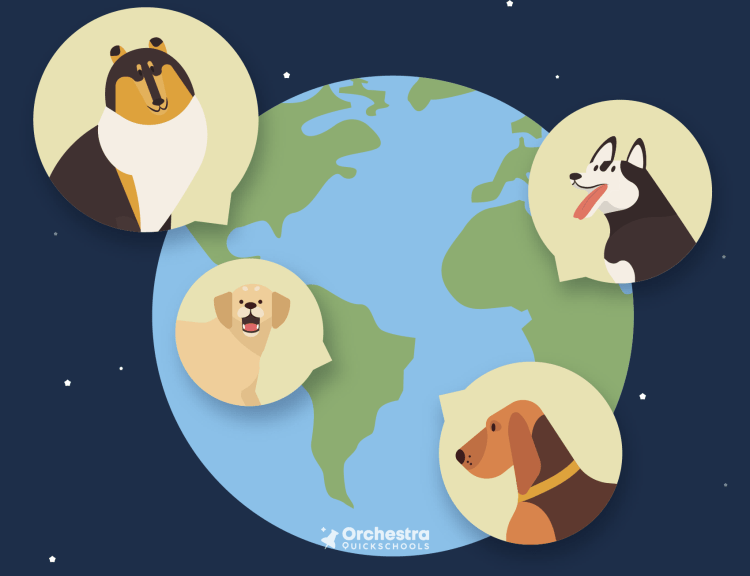
Wherever humans have settled, dogs have followed. They have worked their way into the stories, beliefs, and identities of cultures everywhere.
Ancient Greece: Healers and Heroes
The ancient Greeks believed dogs had healing properties. Temples dedicated to Asclepius, the god of medicine, kept dogs on the premises. Their presence and even their licking of wounds were thought to speed recovery. It’s an early, instinctive version of what we now call animal-assisted therapy.
The most famous dog in Greek literature is Argos, Odysseus’ dog in Homer’s Odyssey, who waited twenty years for his owner’s return, recognised him the moment he arrived disguised as a beggar, and died content.
Japan: A National Symbol of Loyalty
Few dog stories have travelled further than that of Hachiko. An Akita who waited at Shibuya Station in Tokyo every day for nearly ten years after his owner passed away, simply because that’s where they always met. His loyalty became a national symbol, inspiring books, films, and a bronze statue at Shibuya Station that remains one of the most visited spots in Tokyo today.
Australia: The Working Dog as a National Institution
The Australian Cattle Dog, the Kelpie, and the Border Collie have been indispensable to Australian agriculture for over a century, herding livestock across vast distances in brutal heat and rough terrain. The working dog’s intelligence and endurance are so respected that some Australian stations simply wouldn’t function without them.
The Arctic: Partners in Survival
For thousands of years, sled dogs have been essential to the survival of Inuit and other Arctic peoples. The Greenlandic sled dog, the Siberian Husky, and the Alaskan Malamute helped transport supplies, hunt, and navigate some of the world’s most unforgiving terrain. They were partners in survival, and that bond remains one of the most extraordinary examples of human-animal cooperation.
🐾 Did You Know?
Dogs can read human emotional expressions and adjust their behaviour accordingly. Research shows dogs are more likely to approach someone who appears sad and will often try to comfort a distressed stranger they've never met before.
Famous Dogs Who Made History
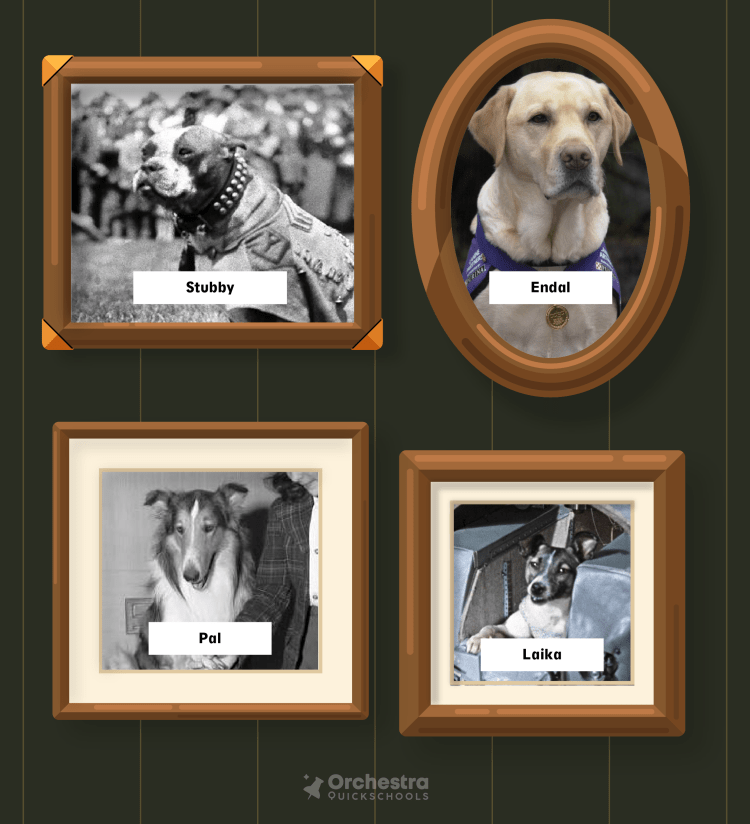
Sergeant Stubby was a stray Boston Terrier mix who was smuggled aboard a US troopship during World War I. He went on to serve in 17 battles on the Western Front, could detect incoming gas attacks before instrumentation could, once caught a German spy by the leg and held him until soldiers arrived, and met three US Presidents. He was also, technically, not supposed to be there.
Laika was a stray dog from the streets of Moscow who became the first animal to orbit Earth aboard Sputnik 2 in 1957. Her flight provided critical data about the effects of space travel on living organisms, contributing directly to the developments that made human spaceflight possible.
Endal was a yellow Labrador Retriever who served as a service dog in the UK and was widely regarded as the most capable assistance dog ever documented. He could respond to over 100 British Sign Language signs, operate ATMs, and shop in supermarkets. Once he found his owner unconscious on the ground, he placed him in the recovery position, pulled a blanket over him, and went to a nearby hotel to get help. He was named Dog of the Millennium.
Pal, the Rough Collie who first played Lassie in 1943, became so iconic in the role that every Lassie since has been his direct descendant. A dynasty, built on one very good dog.
🐾 Did You Know?
Dogs are one of the only animals that seek out eye contact with humans as a form of communication. Wolves  (their closest relatives) actively avoid it. That shift happened somewhere in the long process of domestication, and it fundamentally changed what dogs are.
Dogs That Stole the Spotlight 🎬📚

Lassie (Lassie Come Home, 1943) — The original canine superstar. A Rough Collie with more cultural staying power than most human franchises.
Marley (Marley & Me) — The gold standard of “I did not expect to cry this much” dog cinema. Marley was deeply loving and an uncanny mirror of life’s messiest and most meaningful moments.
Beethoven (Beethoven franchise) — A Saint Bernard with absolutely no regard for personal space, household order, or the concept of “down.” Chaotic, enormous, and somehow always the most lovable presence in every scene.
Bolt (Bolt, 2008) — A dog who believes he has superpowers because he’s spent his entire life on a TV set. His journey toward understanding what’s real and realising love is better than fame.
Pluto (Disney) — Mickey’s loyal, expressive, and infinitely patient companion. Just a dog being a dog, rendered with more personality than most characters who can speak.
Rex (Inspector Rex) — A German Shepherd who solves crimes, outwits criminals, and remains deeply charming throughout.
Wishbone (Wishbone, 1995) — A Jack Russell Terrier who imagined himself as the protagonist of classic literature. Genuinely one of the most ambitious characters in television history.
Moose (Frasier, 1993–2000) — The Jack Russell Terrier behind Eddie Crane, arguably more popular than half the human cast. When Moose retired, his son Enzo stepped in seamlessly.
Chance, Shadow, and Sassy (Homeward Bound: The Incredible Journey, 1993) — Two dogs and a cat crossing the Sierra Nevada wilderness to find their family. Equal parts adventure and emotional ambush.
Still Showing Up
Dogs don’t need a reason to be devoted. They’ve been showing up, fully and without conditions, for tens of thousands of years, across wars, oceans, hospital wards, and school hallways. That’s one of the longest and most consistent relationships in human history, and it’s still going. Happy International Dog Day. 🐾
 Blog
Blog 