
Summer camp is so much fun! Scheduling it? That’s a different story. Unless you’re in The Parent Trap and accidentally reunite with your long-lost twin, most camp magic doesn’t happen by chance. Behind every successful camp week is a carefully coordinated plan. While no schedule survives the summer completely unchanged, the right approach can help camp directors spend less time putting out fires and more time creating memorable experiences. Here’s how to build a summer camp program that’s organized, stress-free, and ready for whatever the season throws at it.
- Why Summer Camp Scheduling Gets Complicated Fast
- Best Practices for Creating an Effective Summer Camp Schedule
- 1. Zoom Out Before You Zoom In
- 2. Give Every Day a Rhythm Kids Can Feel
- 3. Create Groups That Set Everyone Up for Success
- 4. Build Activities in Progression Across the Week
- 5. Intentionally Balance High-Energy and Low-Energy Blocks
- 6. Pre-Plan Key Activities, But Leave Room for Flexibility
- 7. Build the Schedule Around Staff Reality (Not Just Ideal Programming)
- 8. Remember, Activities Need More Than Just a Good Idea
- 9. Plan Staffing and Training as Part of the Schedule Itself
- 10. Expecting The Chaos But You’re Ready For It
- How Orchestra Helps Summer Camp Directors and Administrators Build Better Schedules
- Create a More Organized Summer Camp Experience
Why Summer Camp Scheduling Gets Complicated Fast
On paper, summer camp scheduling seems straightforward. In practice, you’re coordinating multiple age groups, activity rotations, facilities, equipment, staff availability, meal times, special events, and the occasional surprise that no amount of planning could have predicted.
A single camp day might include a soccer game, a science experiment, a craft project, a swimming session, and a group performance. And this could all be done before lunch. Each activity needs the right space, the right equipment, and the right staff member ready at the right time. Coordinating these while ensuring the right staff, spaces, and resources are available at the right time can quickly become overwhelming.
And unlike a traditional school schedule, camp schedules often need to adapt on the fly. The schedule you finalized may need adjustments before the first week of camp is even over. Without a clear system in place, making these changes can disrupt the flow of the entire camp and create unnecessary operational stress.
Best Practices for Creating an Effective Summer Camp Schedule
Anyone who’s ever tried to wing a camp schedule knows exactly how that story ends: a sobbing six-year-old, two counselors arguing over who has the arts-and-crafts table, and a director frantically rearranging the whiteboard at 7 a.m. A great camp schedule is an entire operating system, and like any good system, it needs structure before it needs sparkle.
1. Zoom Out Before You Zoom In
One of the easiest mistakes to make is jumping straight into individual activities before defining the overall structure of the camp. Strong schedules always start with the framework first. Think of it like building a cabin. You don’t start by hanging decorations on the wall; you build the frame first. Once the framework is in place, filling in the details becomes significantly easier.
Before going into the details, consider:
- Overall camp dates
- Weekly themes (if applicable)
- Core daily structure (e.g., morning blocks, lunch, afternoon sessions)
- Fixed events such as field trips or performance days
2. Give Every Day a Rhythm Kids Can Feel

A consistent daily rhythm helps campers feel comfortable and helps staff manage transitions more efficiently. Activities can change every day, but the overall shape of the day should remain familiar. A reliable structure may look something like:
- Morning welcome and group check-in
- Two to three core activity rotations
- Lunch and rest period
- Afternoon enrichment or specialty programming
- Wind-down or reflection time
3. Create Groups That Set Everyone Up for Success
Not every scheduling problem is actually a scheduling problem. The way campers are organized can have a major impact on participation, behavior, supervision, and overall program flow. When forming groups, consider:
- Age ranges and developmental stages
- Skill and experience levels
- Shared interests or program focus
- Special accommodations or support needs
Well-balanced groups help ensure that activities match campers’ ability and interest, staff can supervise more effectively, and group behavior and dynamics remain stable. Thoughtful grouping reduces friction throughout the day and helps activities run the way they were intended to run.
4. Build Activities in Progression Across the Week

The best camp weeks feel like a story experience being slowly built. For instance, Monday is about introductions and exploration. Then the midweek is where skills develop, and confidence grows. By the end of the week, campers are showcasing what they’ve learned, completing projects, or celebrating accomplishments with their peers. When activities build on one another, campers stay more engaged because they’re working toward something rather than simply moving from one activity block to the next.
5. Intentionally Balance High-Energy and Low-Energy Blocks
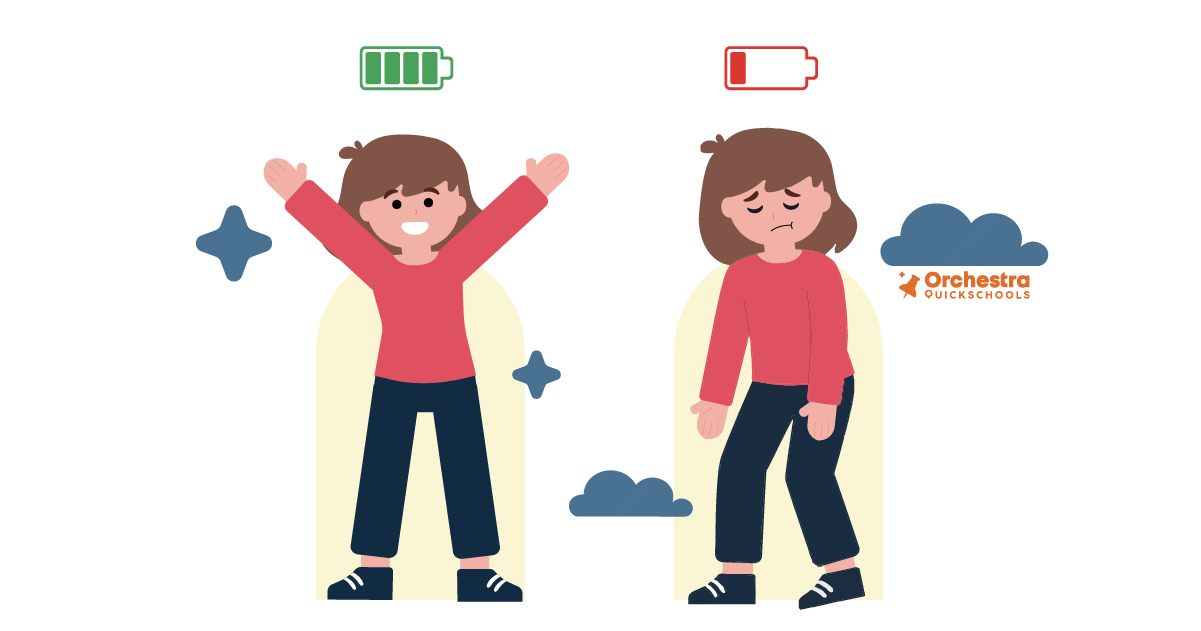
Camp days move fast, and without intentional pacing, even the most enthusiastic campers can hit a wall by mid-afternoon. A schedule filled with sports, outdoor games, and high-energy activities might sound exciting in theory, but it can quickly lead to fatigue and behavioral issues.
The most effective camp schedules alternate between active and quieter moments throughout the day. After a physically demanding activity, consider following it with a creative workshop, building project, or other focused activity that allows campers to recharge without disengaging. They give campers time to reset, help staff manage group energy, and keep the day feeling balanced rather than exhausting. Just as importantly, a mix of activity types helps accommodate different personalities and comfort levels. While some campers thrive in highly social and fast-paced environments, others may prefer quieter and more focused activities that allow them to participate without draining their social battery.
Once you get the rhythm right, you’ll cut down on meltdowns, behavioral flare-ups, and the dreaded post-lunch slump (for campers and counselors alike).
6. Pre-Plan Key Activities, But Leave Room for Flexibility

A perfect schedule only works in perfect conditions, and we all know that the words camp and perfect only go together once in a blue moon. Good schedules leave room for transitions, delays, and the countless small adjustments that happen throughout the day. When creating your camp schedule, lock in your anchors ahead of time. Things like weekly themes, if any, signature activities, field trips, and end-of-week showcases. But build in flexibility for:
- Weather changes
- Group energy and mood
- Transportation delays
- Equipment or space limits, or
- Other last-minute curveballs (A group of campers discovers an unexpected passion for a particular activity and suddenly wants twice as much time there.)
The best schedules are sturdy enough to hold the week together but loose enough to bend when reality shows up uninvited.
7. Build the Schedule Around Staff Reality (Not Just Ideal Programming)
The classic rookie mistake is designing the perfect camp experience first and worrying about staffing later. Before finalizing activities, consider your team’s certifications, strengths, availability, and experience levels. A counselor who thrives leading outdoor adventures may not be the best fit for a detailed arts workshop, and a certified lifeguard can only be in one place at a time. It’s also important to account for breaks, supervision requirements, and coverage during transitions.
8. Remember, Activities Need More Than Just a Good Idea

A great activity idea is only great if you have the resources to run it. Materials need to be ordered, equipment needs to be available, rooms need to be reserved, and someone needs to set everything up before campers arrive.
It’s also worth considering the hidden time between activities. Set up, cleanup, and moving groups from one location to another all take longer than expected. Building these practical realities into the schedule helps prevent rushed transitions and last-minute scrambling throughout the week.
9. Plan Staffing and Training as Part of the Schedule Itself
Hiring timelines, staff training, role assignments, communication plans, and ongoing support should all be considered part of the scheduling process. When counselors and instructors clearly understand their responsibilities, transitions run more smoothly, activities stay on track, and fewer issues require last-minute intervention from camp leadership.
10. Expecting The Chaos But You’re Ready For It

Having alternatives prepared in advance prevents small problems from turning into major disruptions. Whether it’s an indoor alternative for outdoor activities, a substitute for staffing plans, backup locations, or contingency options for transportation disruptions, have them all ready. Because when something unexpected happens (which we hope doesn’t, but life can throw us curveballs), you’ll be good to go.
How Orchestra Helps Summer Camp Directors and Administrators Build Better Schedules
Of course, even the best planning process has its limits. Once a camp grows beyond a handful of groups and activities, keeping everything organized manually can become harder than we’d like to admit. That’s where having the right scheduling tools can cancel out those late nights. Orchestra helps administrators create schedules that reflect how their camp actually operates. Whether you’re managing rotating activity blocks, shared facilities, or multiple camper groups, the platform provides the flexibility to build schedules around your unique requirements.
When changes inevitably happen, adjustments can be made quickly without rebuilding the entire schedule. Administrators can update schedules, manage staffing and facility constraints, and collaborate with their teams through a cloud-based platform. Instead of spending hours untangling scheduling issues, camp leaders can focus on what matters most: delivering a great camp experience.
Create a More Organized Summer Camp Experience
A great summer camp schedule always looks calm on paper. The real test is what happens when it meets sudden rain, missing whistles, and a group of 12-year-olds who just discovered “free time” as a concept. When scheduling is clear and flexible, camp life runs a little more like it should. After all, the goal isn’t to build a perfect schedule. It’s to survive Monday morning, enjoy Friday afternoon, and make everything in between a little easier than it actually was.