

Class size is one of the few parts of the school experience that affects everything. For instance, how much individual support students receive, how quickly lessons move, and how sustainable a teacher’s workload feels across the week. The difference between a stressful schedule and a workable one usually comes down to how well schools use the data they already have. To add to that, perfect class sizes don’t happen by accident. When teachers and school leaders look closely at enrollment patterns, section sizes, course demand, and teaching assignments, they can spot pressure points early and correct them before they become a problem.
- Focus on the Data That Directly Affects Class Size
- Start with Who Will Be in Your Classroom
- Find Overcrowded and Under-Filled Classes
- Look at Teacher Workload, Not Just Headcount
- Learn from Mid-Year Changes That Disrupted Class Sizes
- Use Course Requests to Protect Class Sizes Before Scheduling Begins
- Remove Room Constraints That Prevent Better Class Sizes
- Use the Data You Have to Create Better Class Sizes
Focus on the Data That Directly Affects Class Size
If your goal is to create classrooms that are manageable, equitable, and instructionally effective, focus on the data that shows:
- How students are distributed across sections
- How teachers are assigned to those sections, and
- How does the demand for courses compare with the sections offered
Start with Who Will Be in Your Classroom
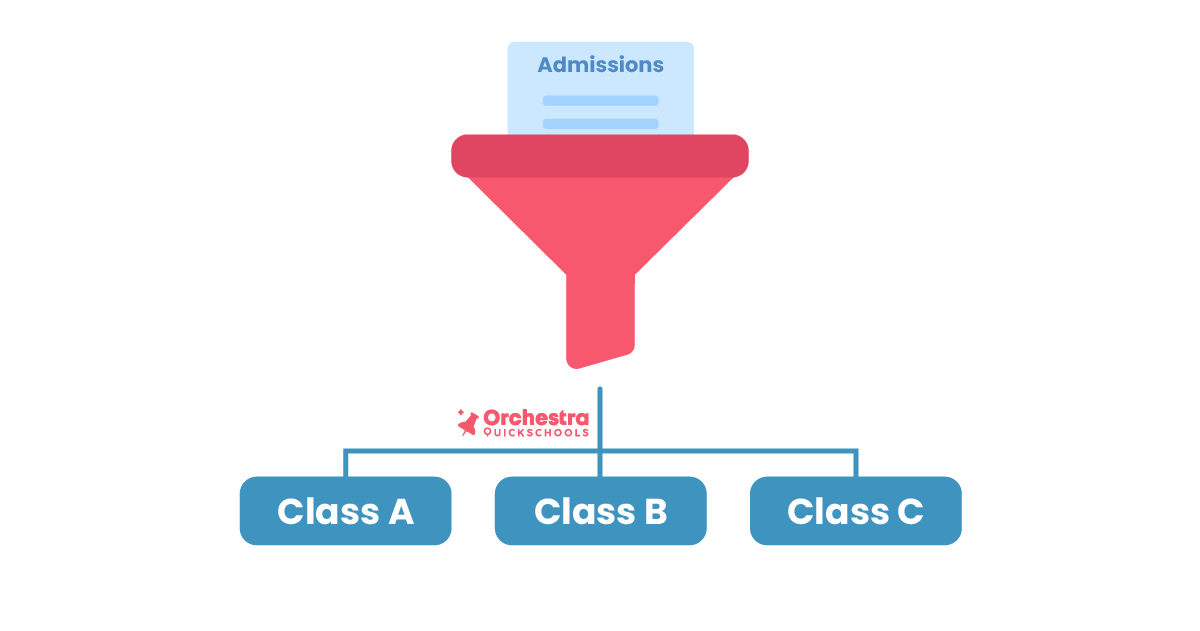
Before teachers can improve class sizes, they need a clear picture of how many students are actually coming.
If the incoming year group is larger than expected, class sizes will rise automatically unless additional sections are planned early. If numbers drop, there may be an opportunity to reorganize sections and redistribute students more evenly.
For teachers, this information helps set realistic expectations before schedules are finalized. It also allows departments to advocate for additional sections when the data clearly supports it.
Find Overcrowded and Under-Filled Classes
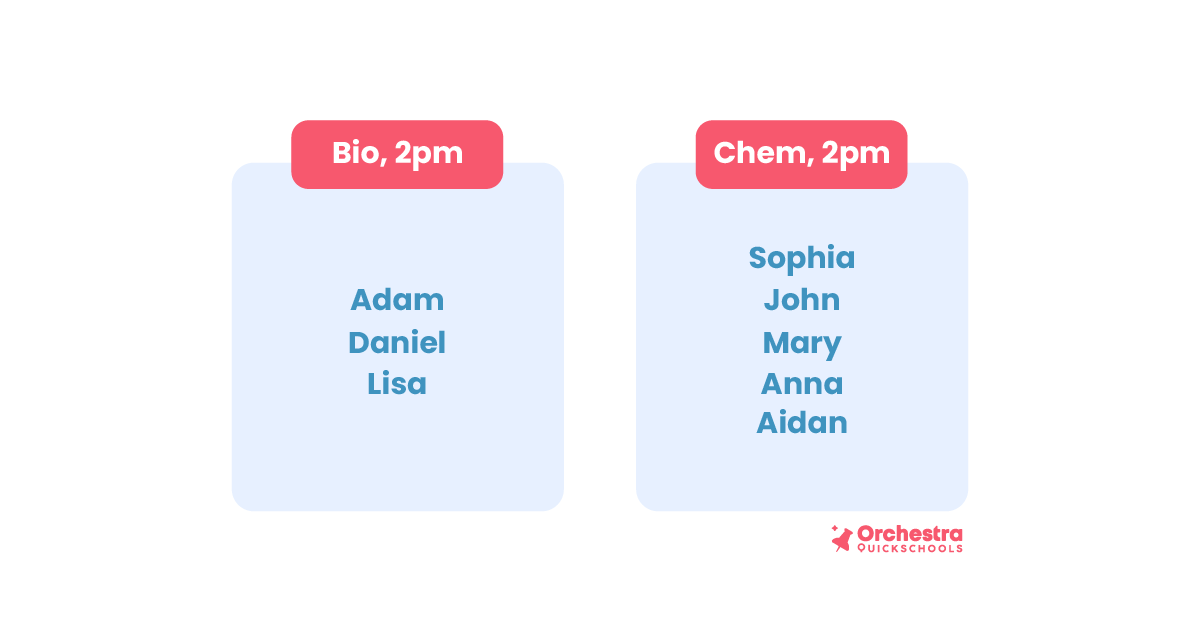
A simple starting point is to look at how many students are sitting in each class and compare parallel sections of the same subject.
It’s also important to look at when those classes run during the day. Large class sizes are often caused by timetable clashes rather than a lack of sections. If popular subjects are scheduled at the same time, students are pushed into the only available option, even when other sections of the same course still have space.
By reviewing class rosters and the daily timetable together, teachers can spot where students could be redistributed more evenly and where small placement changes would immediately reduce overcrowding.
Look at Teacher Workload, Not Just Headcount
From a teacher’s perspective, perfect class sizes are not only about how many students are in one room, but also how many unique students a teacher is responsible for across the day.
Two teachers can teach the same number of classes, yet have very different workloads. One may teach several large sections, while another teaches smaller or more specialized groups. Over time, those differences affect preparation time, marking, classroom energy, and overall sustainability.
By reviewing teaching assignments alongside class lists, departments can quickly see where some teachers are carrying a much heavier load than others. Small adjustments to who teaches which section can make class sizes and workloads feel far more balanced without changing the number of classes offered.
Learn from Mid-Year Changes That Disrupted Class Sizes

Teachers usually feel the impact of scheduling problems when students are added late, moved between classes, or shifted because of conflicts. Looking back at when and where those changes happened during the year is one of the most reliable ways to improve class sizes for the future term.
If certain classes kept growing after the year started, it often means demand was underestimated, or the timetable made it difficult for students to access other sections. In some cases, last-minute staffing changes also contribute to uneven class sizes.
When teachers and department heads review these patterns together, they gain clear evidence of which courses or time slots need a different structure next year.
Use Course Requests to Protect Class Sizes Before Scheduling Begins

The easiest time to protect class sizes is before students are placed into a timetable. When schools collect course requests in advance, that information shows where real demand exists. If far more students request a subject than the school plans to offer, large classes are almost unavoidable.
It is also important to look at which subjects students tend to choose together. When popular courses are scheduled at the same time, students are pushed into fewer available classes, even when teachers and rooms could support more balanced groups.
For example, a large group of students may commonly select:
- Biology and Chemistry
- Art and Design Technology
- Computer Science and Mathematics
If those subjects are scheduled in the same period, students are forced to choose between them. The result is usually one section becoming overcrowded, while another section of the same course in a different period sits under-filled.
By identifying common subject combinations early, schools can deliberately place those subjects in different periods. When courses that students frequently take together are spread across the timetable, students have more valid scheduling paths, and classes are much easier to balance. Spreading high-demand subjects across different periods, especially when they are commonly chosen together, creates the conditions needed to keep class sizes realistic before scheduling even begins.
Remove Room Constraints That Prevent Better Class Sizes

Physical space can limit teachers’ ability to improve class sizes. When larger rooms are assigned to small classes and large classes are placed in limited spaces, teachers lose the flexibility needed to open additional sections or redistribute students.
By reviewing how rooms are used across the day and week, schools can often spot underused spaces during high-demand periods. A few room swaps can unlock opportunities to rebalance classes and prevent overcrowding.
Use the Data You Have to Create Better Class Sizes
When data such as enrollment patterns, class lists, teaching assignments, subject demand, and room usage are combined, they give a clearer picture to shape more realistic and manageable classrooms.If your classes are already well balanced and you want to explore how the same data can support staffing decisions, room usage, course planning, and long-term scheduling strategy, you can take the next step by learning how to use your scheduling data to plan a better next year.

 Blog
Blog 