
Spring is often framed as light, easy, and full of renewal. And yet, sometimes the season changes before we are ready to. What if, while everything around you begins to bloom, you’re still carrying pieces of what came before?
It’s a strange feeling when the world seems to be moving forward, and you’re not quite there yet. That’s often when other people’s stories can help. And especially for those of us who don’t always know how to put what we’re feeling into words, or where to even begin explaining it, books are the next best thing. We’ve gathered a list of Spring reads that explore grief, loss, transformation, and the ways life nudges us to open again. Some are tender, some unexpectedly funny, but most importantly, they all remind us that renewal doesn’t erase what’s been. It rises above it, making space for growth despite it all.
- Grief, Healing, and Reflection
- The Classics Knew This All Along
- Nature, Change & Becoming Someone New
- Whimsical, Gentle & Comforting Reads
- Let Your Reading Reflect Where You Are
Grief, Healing, and Reflection
It sounds a little contradictory at first. Why read heavy, emotional books when everything around you is finally starting to feel light again? Perhaps it’s because growth and grief are often intertwined. Renewal doesn’t mean erasing, forgetting, or sweeping the past under the rug, hoping and wishing it would disappear. True renewal is tending to the roots you already have, honoring them as they let new growth emerge. And in many ways, reading about grief during this season can feel… grounding.
- Intermezzo by Sally Rooney
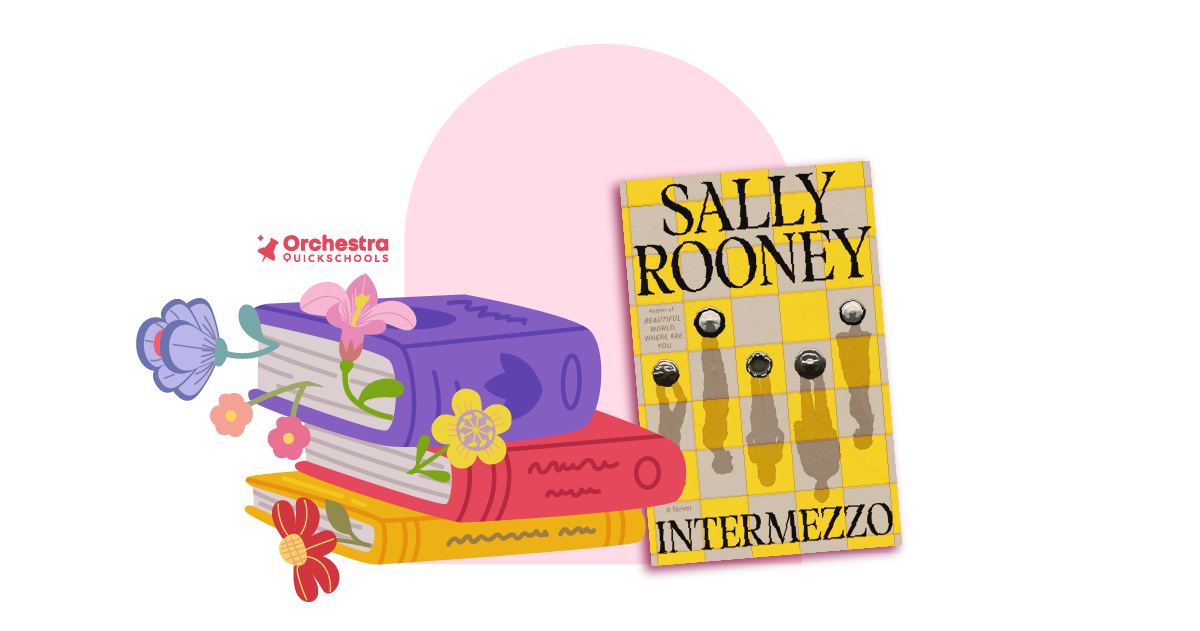
This intimate tale of two siblings navigating life after their father’s death captures the delicate tension between memory and transformation. Rooney’s signature style (no quotation marks around dialogue) may take some getting used to, and it is alright if you’re not a fan. However, for those willing to adapt, the book becomes a meditation on grief, resilience, and the slow, almost imperceptible ways we reorient ourselves to new beginnings.
- Loved One by Aisha Muharrar

Muharrar balances grief with sharp, observant humor, capturing how loss can blur into obsession, comparison, and even unexpected connection. The humor and warmth in her writing make heavy truths feel approachable, like stepping outside into sunlight after a long, grey winter. Readers who enjoy something emotionally honest and a little messy will find themselves laughing, reflecting, and moved all at once.
- Notes on Grief by Chimamanda Ngozi Adichie
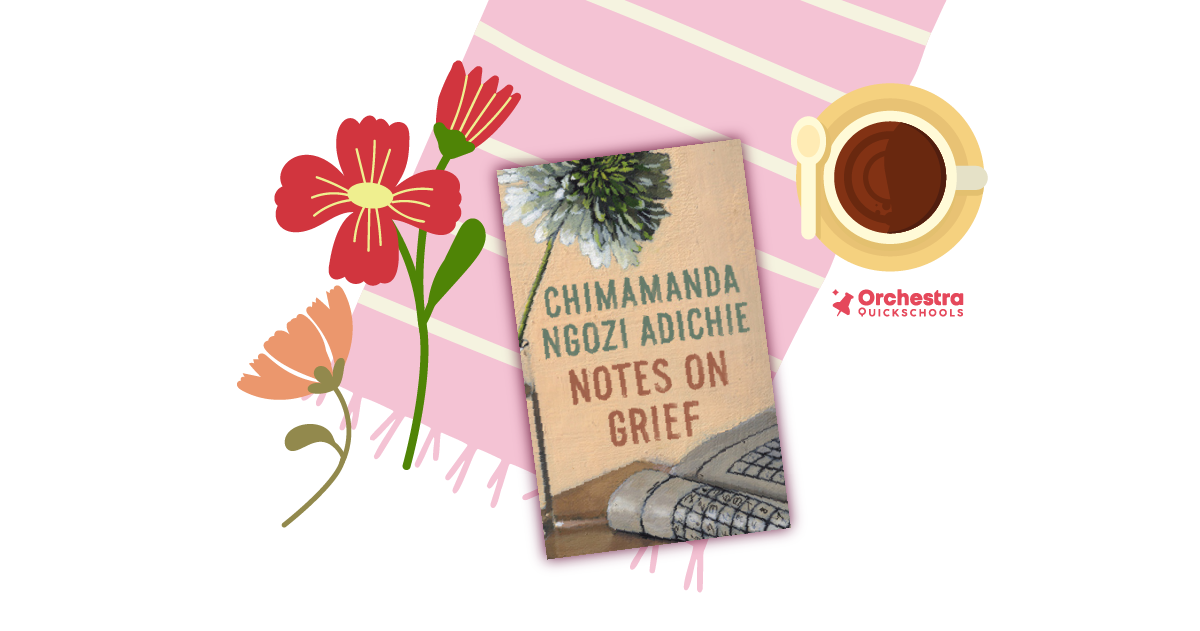
A reflection on losing a parent that captures how disorienting grief can feel. Precise, unflinching, and deeply human. It’s perfect for readers who need to see their own feelings named and acknowledged, and a reminder that processing loss is not only natural but necessary before growth can bloom.
- The Friend by Sigrid Nunez
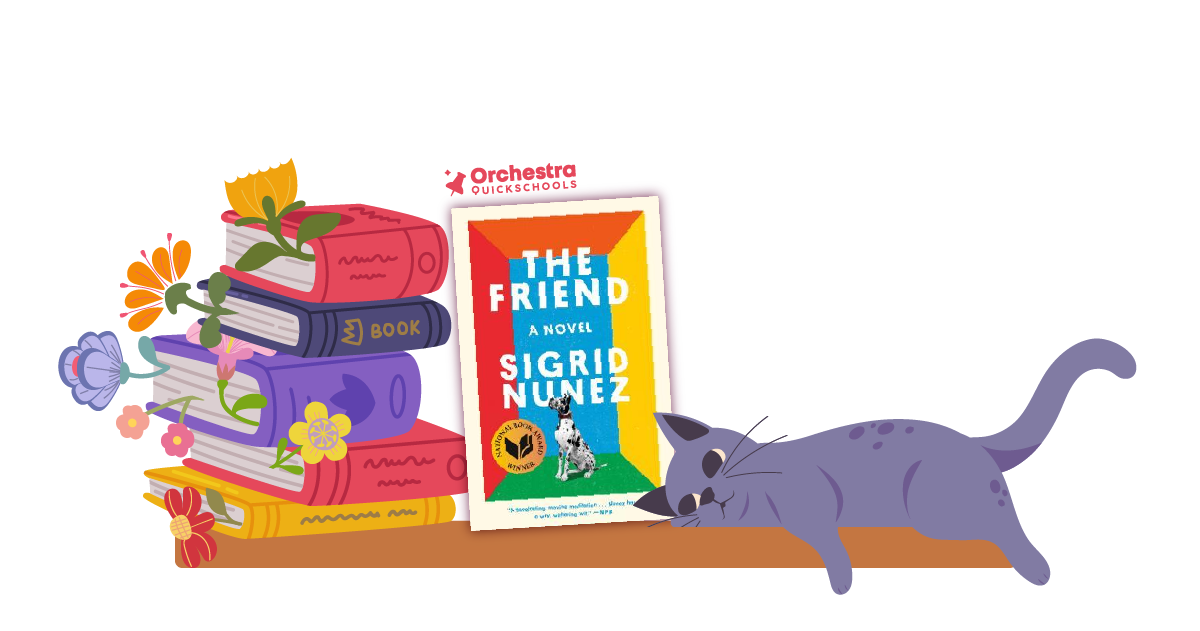
When a writer inherits her friend’s dog after losing him, she discovers unexpected companionship that reshapes her understanding of connection and solitude. Nunez’s understated prose captures how even the smallest acts, like caring for another being, can become a bridge to hope and renewal.
- A Grief Observed by C.S. Lewis

Lewis writes without artifice, documenting the disorientation and doubt that follow profound loss. His reflections create space for readers to acknowledge their own struggles, showing that healing is a process rather than a destination. Ideal for anyone seeking a reflective, almost philosophical approach to mourning and the human heart’s capacity to mend.
The Classics Knew This All Along
The idea that pain and renewal exist side by side isn’t new. Long before “healing journeys” became a buzzword, writers were already sitting with these questions. What do we do with grief? How do we keep going after loss? What does it really mean to begin again? The classics don’t offer easy answers (and might just take forever to finish), but they do offer something valuable: perspective. Turns out, people have always been trying to make sense of the same emotions we’re navigating today.
- The Brothers Karamazov by Fyodor Dostoevsky
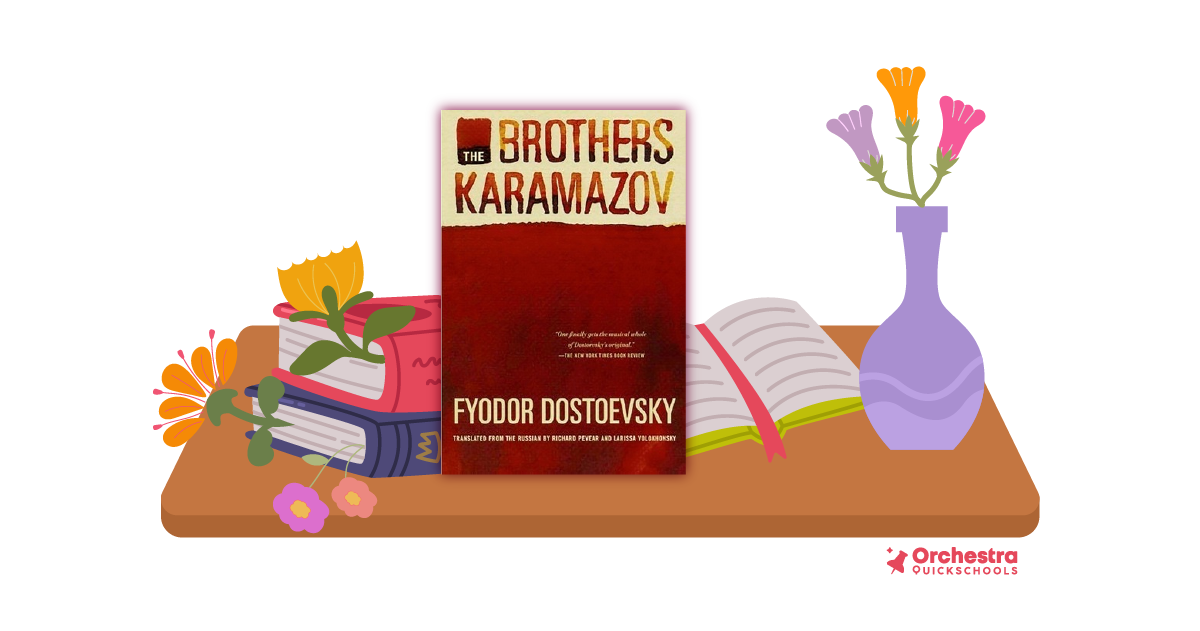
An epic exploration of faith, family, and the human struggle between desire, conscience, and love. Part murder mystery, part courtroom drama, part philosophical deep-dive, The Brothers Karamazov follows the volatile Karamazov family, a reckless father and his three very different sons. Dostoevsky uses their story to explore grief, morality, and what it means to live with the consequences of our choices.
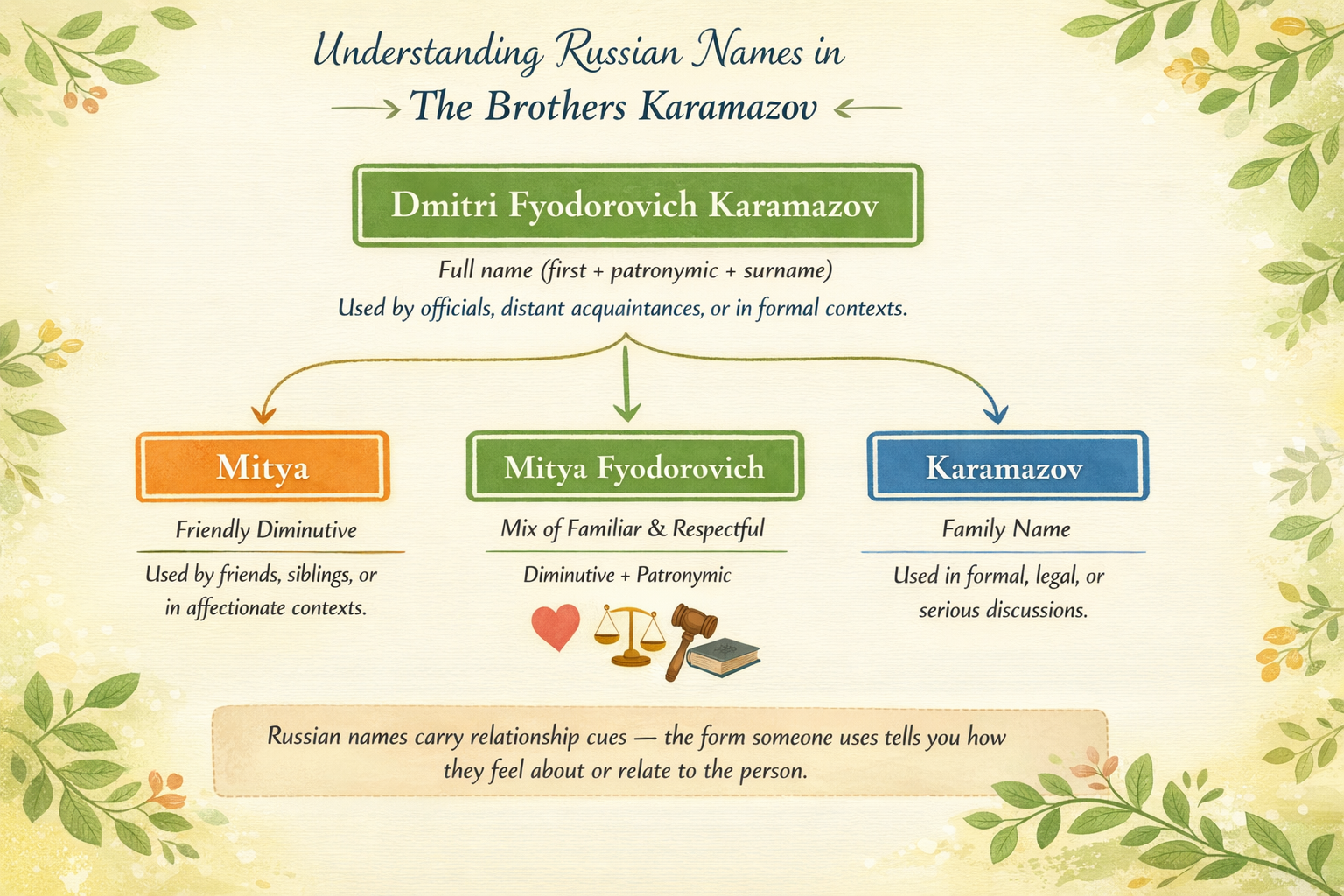
Because Russian names can feel confusing at first, it helps to follow one character through the different forms you’ll see. Take Dmitri Karamazov as an example:
- First names/diminutives: Dmitri is his given name. Close friends and family might call him Mitya or Mitka. A more affectionate version that signals familiarity.
- Patronymics: These are formed from a father’s name plus a suffix. Dmitri Fyodorovich adds his patronymic, meaning “son of Fyodor.” This form is more respectful and is often used in polite conversation, by acquaintances, or in formal settings.
- Surnames: Karamazov is the family name, typically used in serious, formal, or distant interactions.
- Blended forms: Characters are addressed with both diminutive and patronymic at times, like Mitya Fyodorovich, which blends warmth (the nickname) with a layer of respect.
Once you get used to this pattern, the shifts in how characters address each other start to feel less confusing. It’s almost like code for relationships, mood, and power dynamics within the story. And so you don’t have to spend the first 100 pages (like we did) wondering who all these people are and why everyone seems to have three different names.
- Swann’s Way by Marcel Proust
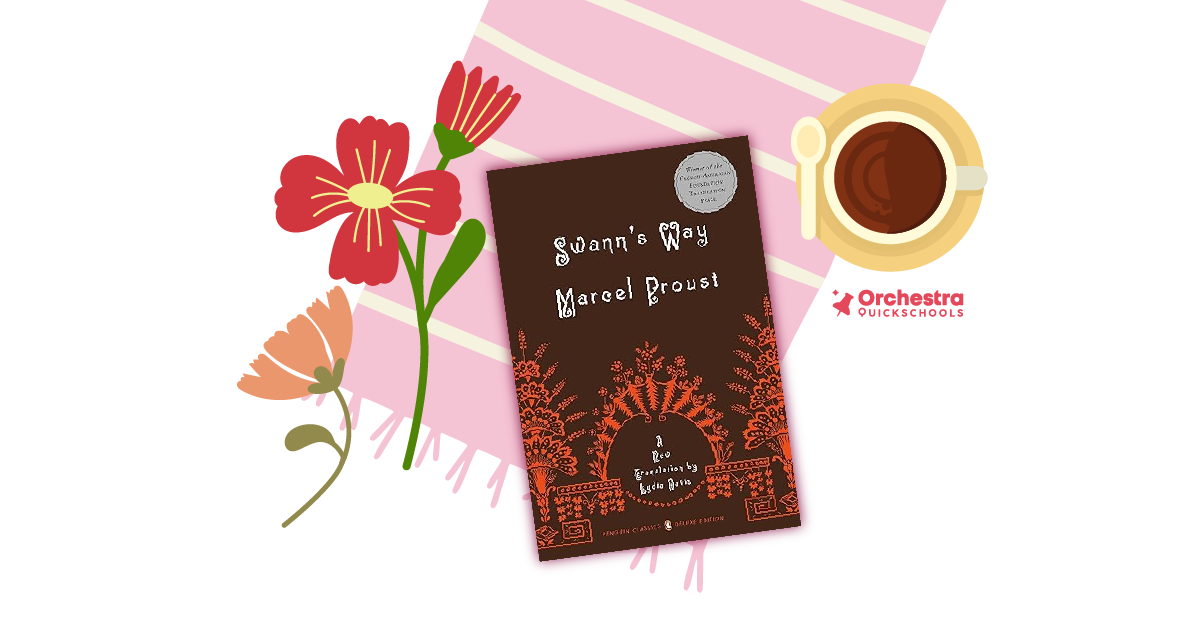
Proust’s exploration of memory and time reads like sunlight filtering through newly budding trees, revealing the interplay between past and present. Fans of meditative, lyrical prose will feel transported into the unfolding of life’s patterns. And if you’re a Lorelai Gilmore-type who would like to say, “As Marcel Proust would say…” but have no idea what he’d actually say, well, after this, you absolutely can.
- Mrs Dalloway by Virginia Woolf
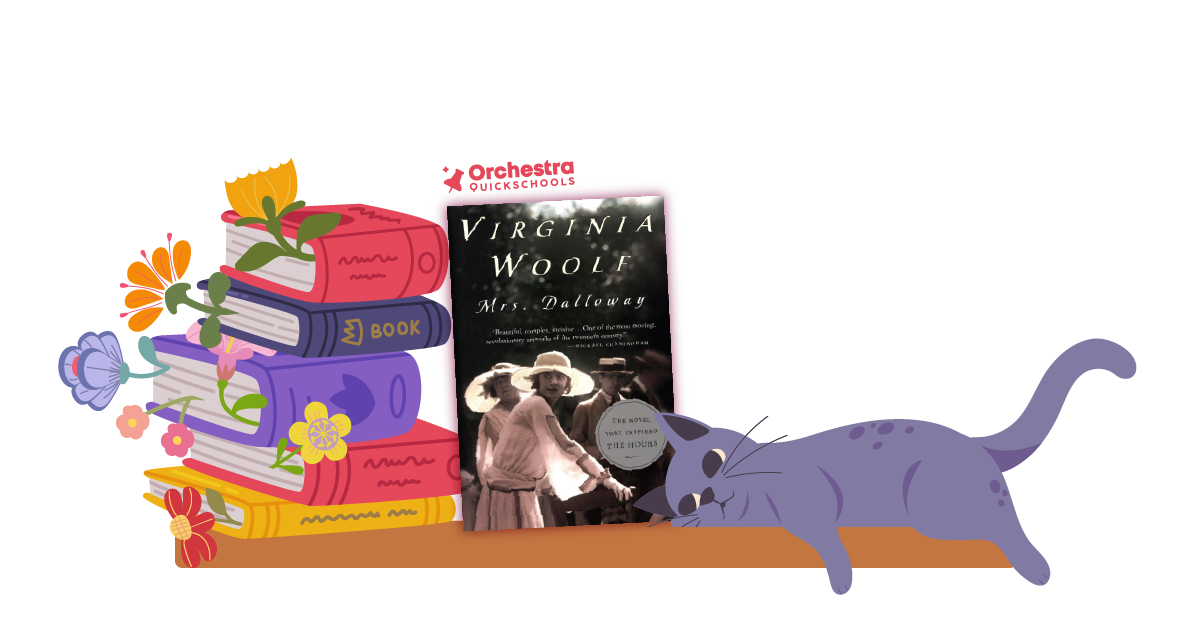
Set over the course of a single spring day in London, Mrs Dalloway follows Clarissa as she prepares for a party, her mind drifting between present moments and memories of the past. Her narrative illuminates how ordinary moments, like a glance, a sound, or a choice, can become portals to self-awareness and emotional renewal. It’s the kind of book that makes you pause, notice, and reflect. Perfect for a season that invites you to do the same.
Nature, Change & Becoming Someone New
Not every transformation is dramatic or obvious. It could just be a moment where things start to feel… different. A shift in perspective, or a moment of clarity, even if you can’t quite name it yet. Alongside stories that help you reflect, it’s also powerful to have something more practical for when you’re ready to move from thinking to doing.
- The Overstory by Richard Powers
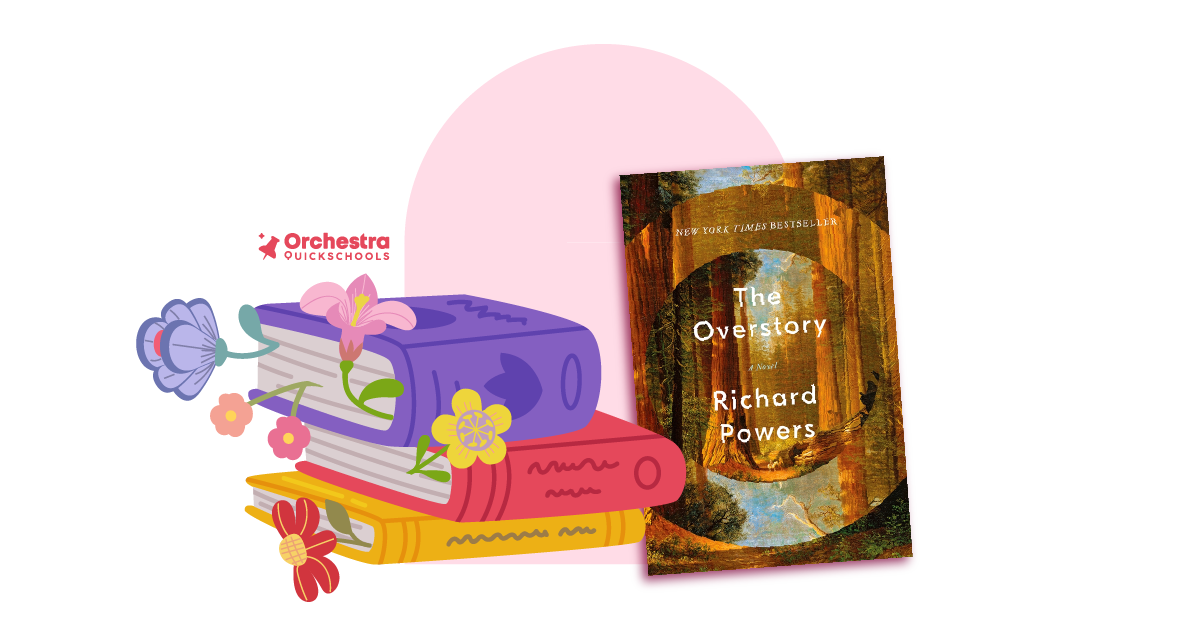
Through interwoven narratives and a focus on trees as both metaphor and literal force, Powers’ novel reveals the profound interconnections between humans and the natural world. Thoughtful readers who enjoy layered storytelling and ecological consciousness will find this deeply compelling.
- Open Water by Caleb Azumah Nelson

A lyrical, intimate story of love, vulnerability, and identity, Open Water flows like a river through the reader’s consciousness. Its exploration of openness and emotional risk mirrors the seasonal impulse to bloom after a long, introspective winter. Fans of poetic contemporary fiction will feel every line in their bones.
- Convenience Store Woman by Sayaka Murata
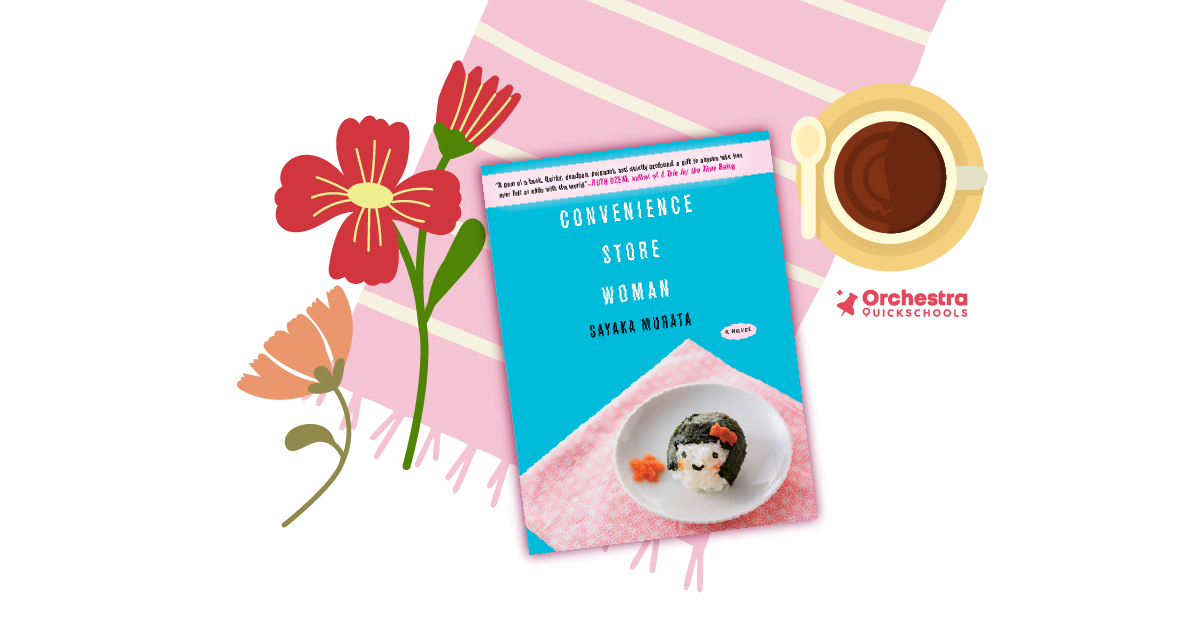
Through the lens of a seemingly ordinary job, Murata examines identity, conformity, and belonging. This subversive story celebrates the value of small, deliberate choices in shaping a fulfilling life. Its subtle humor and human insight make it a refreshing complement to heavier explorations of grief and growth.
- Four Thousand Weeks by Oliver Burkeman
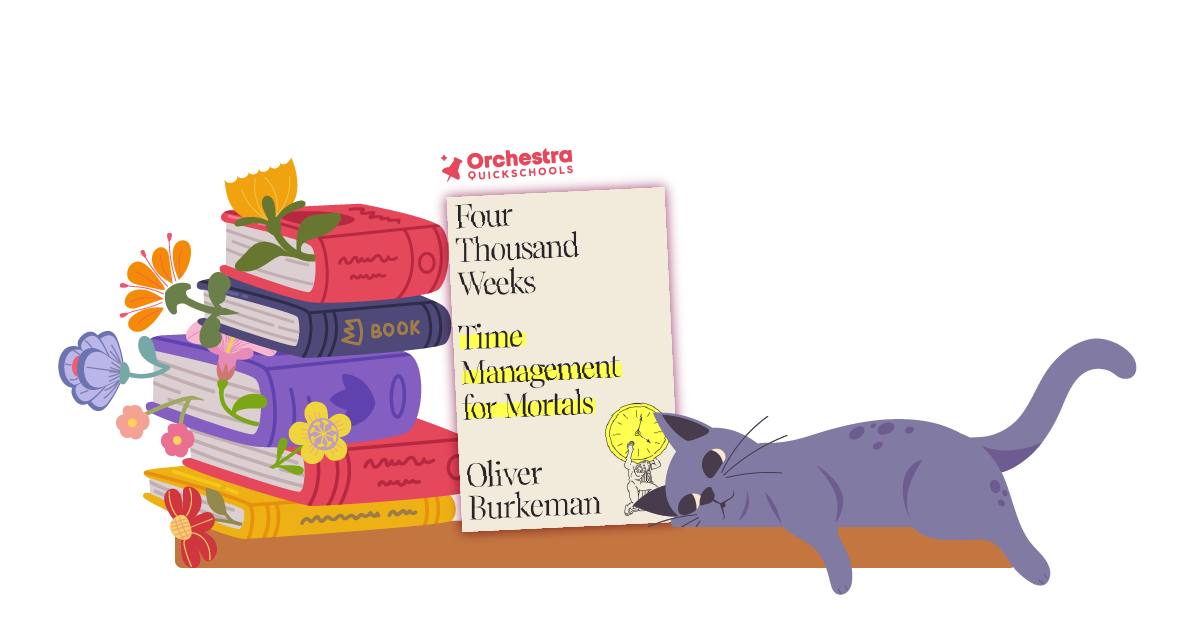
A refreshing take on productivity that gently pushes back against the pressure to optimize every moment. Instead of doing more, it invites you to rethink time itself. Realizing what actually matters, what’s worth your attention, and what it means to accept that you can’t do everything. The premise is simple and slightly alarming: the average human lifespan is just over 4000 weeks. That’s it. No big deal, how many weeks do you have left? Strangely, instead of spiralling (maybe spiralling a little), this book turns that realization into something freeing. Maybe the goal was never to do everything, but to choose what actually matters, and let the rest go.
- Make Time: How to Focus on What Matters Every Day by Jake Knapp & John Zeratsky
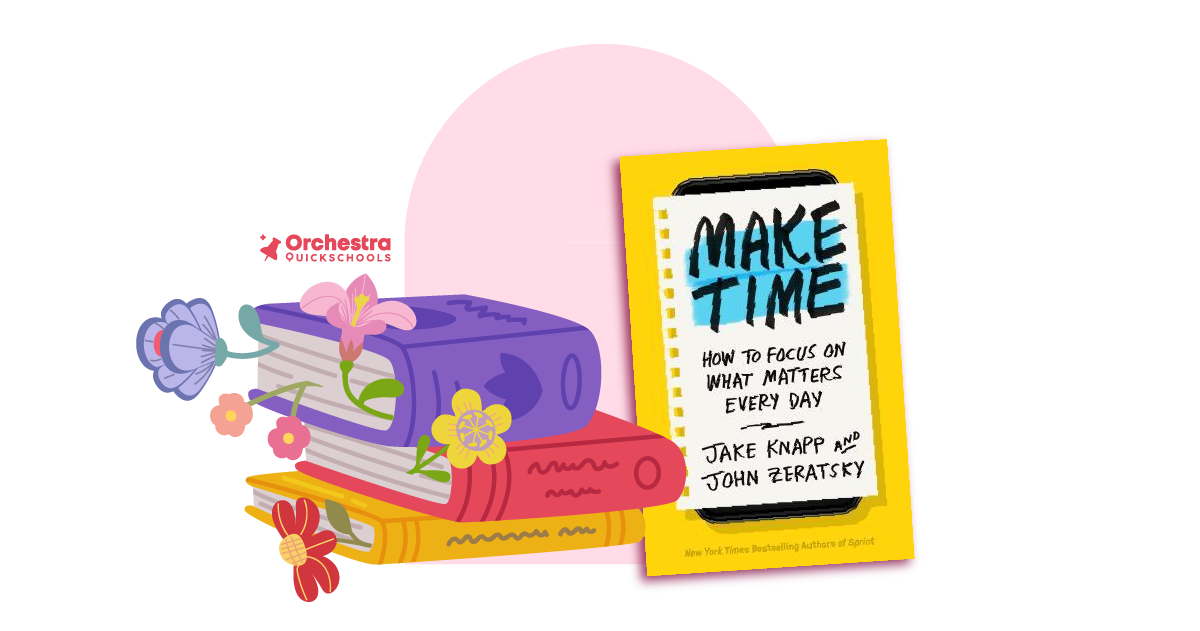
For those ready to take small, tangible steps forward. Rather than chasing perfect routines, it focuses on simple daily shifts. It’s practical without being overwhelming, making it a great place to begin when everything feels a little scattered
- The Comfort Book by Matt Haig
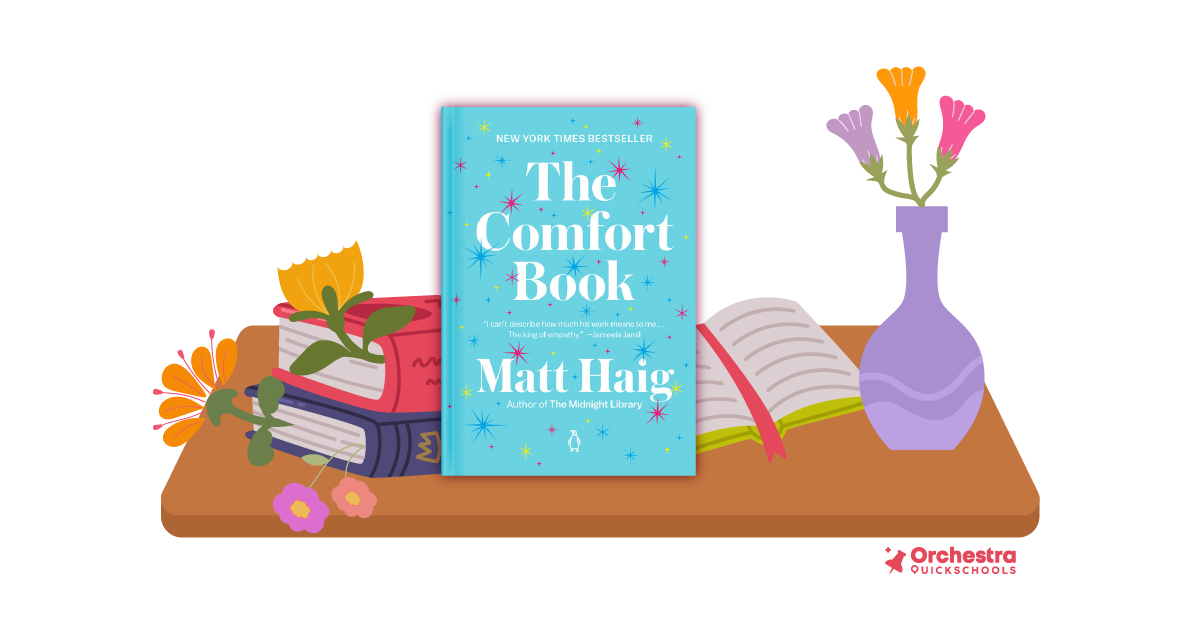
Less a traditional self-help guide and more something you can return to whenever you need it, The Comfort Book is filled with short reflections, reminders, and gentle perspective shifts.
Whimsical, Gentle & Comforting Reads
Spring also makes room for lightness. Not every book needs to feel heavy to matter. After sitting with more difficult emotions, all you need is a story that feels warm and a little whimsical. It’s part of the balance, remembering what it feels like to enjoy things again.
- Emily Wilde’s Encyclopaedia of Faeries by Heather Fawcett

Fawcett’s whimsical tale of magical creatures and unlikely friendships is a reminder that play and imagination are integral to renewal. The fantastical elements coexist with grounded emotional arcs, making it perfect for readers seeking joy alongside reflection.
- The Housekeeper and the Professor by Yoko Ogawa
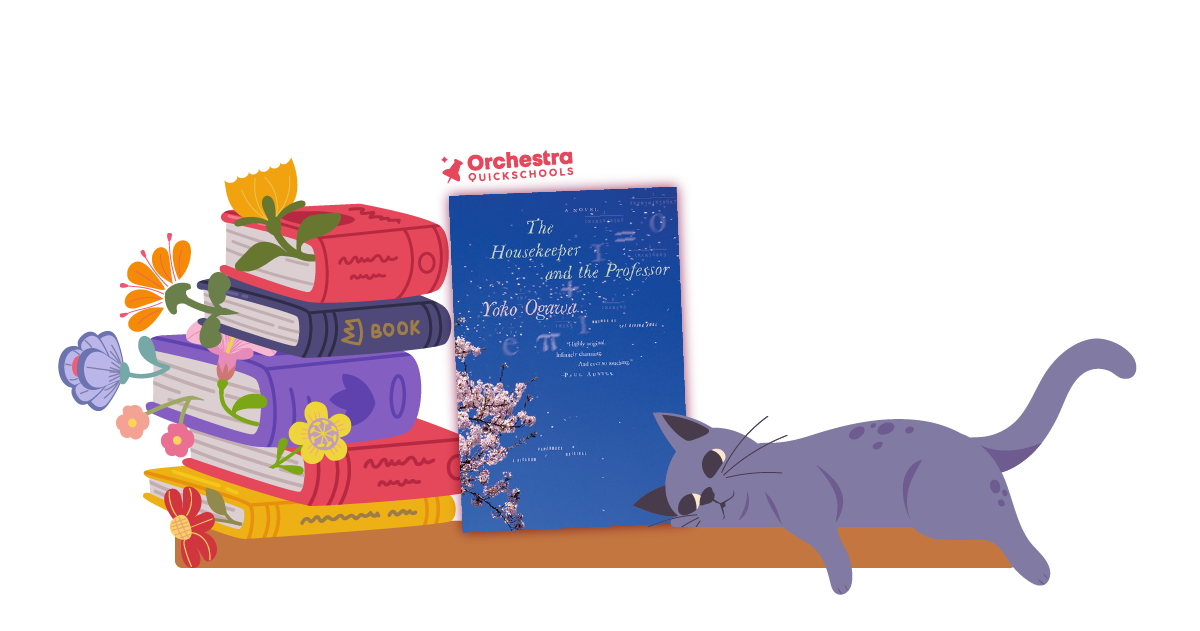
When a math professor loses his short-term memory, his bond with a housekeeper and her son becomes a meditation on connection, patience, and the beauty of everyday life.
- Sweet Bean Paste by Durian Sukegawa

This tender story about a Japanese sweet shop, intergenerational connection, and second chances unfolds like a season of growth. It’s gentle, restorative, and a quiet celebration of human resilience, perfect for readers drawn to understated emotional journeys.
Let Your Reading Reflect Where You Are
This season might feel light and full of possibility, slow and introspective, or somewhere in between. Wherever you are, there’s a book here that can meet you in that space, offering comfort or even just a small spark of joy when you need it most. Of course, reading isn’t limited to the season we’re in. A story that feels like summer, winter, or fall can be exactly what you need right now. We hope you find something from this list that stays with you. And if there’s a book that screams Spring to you, let us know in the comments. We’d love to keep growing this list together. 🌿
Looking for something from a different season? Explore our picks for Summer, Fall, and Winter.
 Blog
Blog 