
As schools settle into the new year, many leaders are already thinking ahead.
The 2025/2026 schedule is “done”, even if it required more late nights, revisions, and last-minute changes than anyone expected. And while there’s a temptation to close the chapter completely and promise yourself you won’t think about scheduling again until next year, a short pause for reflection now can save weeks of stress later.
Before diving into the 2026/2027 school schedule, here are five things worth reflecting on from 2025. Not as criticism, but as clarity.
- 1. The schedule was never really “finished”, and that’s okay
- 2. Early planning mattered more than perfect planning
- 3. Collaboration reduced stress
- 4. Manual processes took a bigger toll than expected
- 5. The “human impact” of scheduling became more visible
- Looking Ahead to 2026
1. The schedule was never really “finished”, and that’s okay
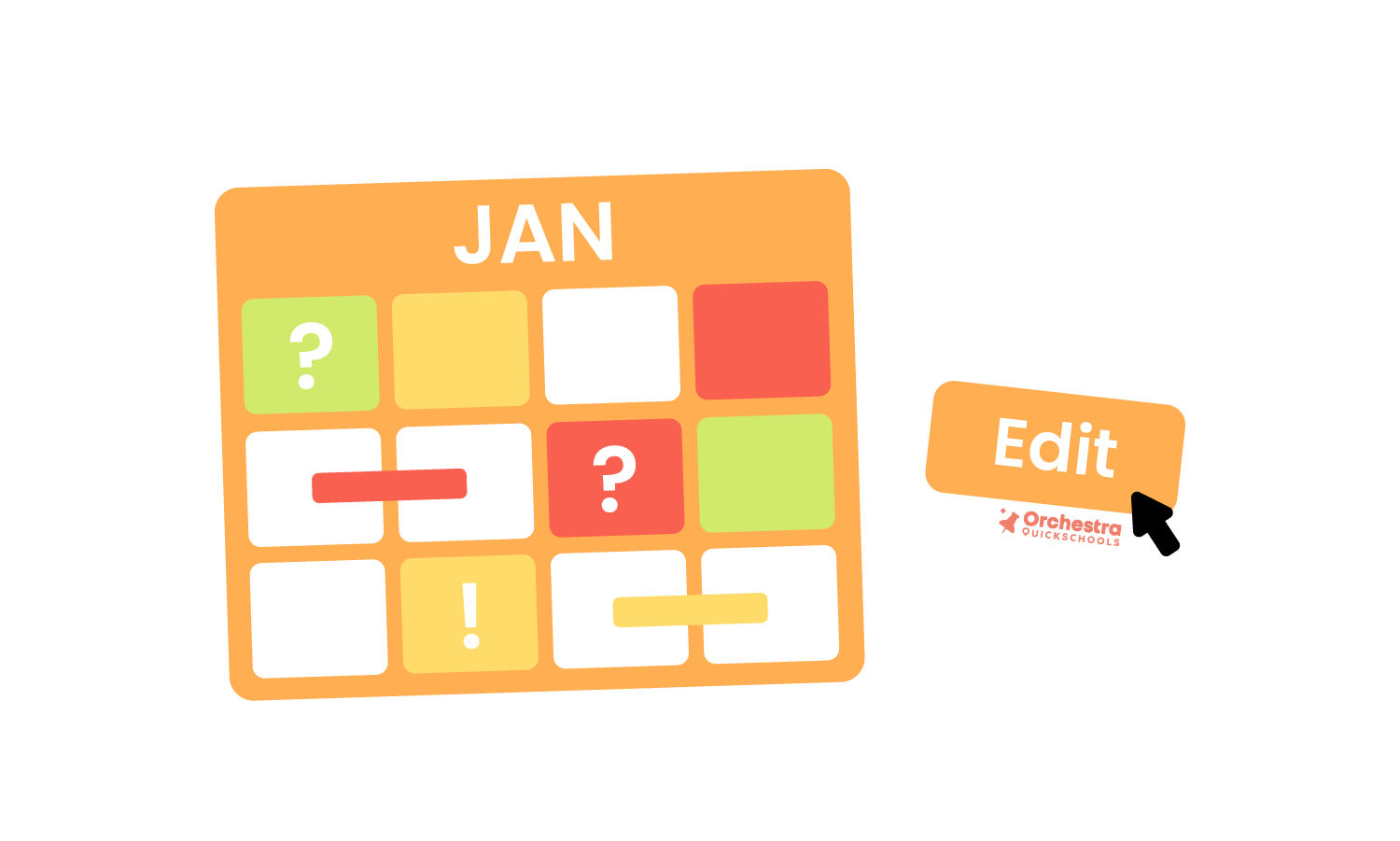
If 2025 taught us anything, it’s that school schedules are no longer static documents.
Student course changes, staffing adjustments, room availability, and new programs meant many schools were still making changes weeks — or even months — into the academic year. What once felt like a failure is now simply reality.
Instead of aiming for a “perfect” schedule, many schools found success by:
- Building in flexibility
- Allowing space for adjustments
- Using tools that made revisions easier instead of painful
Reflection prompt:
Where did your schedule need the most changes this year, and how difficult was it to make them?
Understanding this helps schools plan for adaptability, not perfection, in 2026.
2. Early planning mattered more than perfect planning

Schools that started early didn’t necessarily have fewer problems but they had more time to solve them.
Even rough drafts of a schedule helped uncover:
- Teacher overloads
- Course conflicts
- Resource bottlenecks
- Unrealistic assumptions
Waiting for every detail to be finalized often delays progress, while starting early allows teams to adjust gradually rather than rush at the end.
Reflection prompt:
How early did scheduling realistically begin in 2025, and what could have been spotted sooner?
For 2026, “starting early” doesn’t mean locking everything in. It simply means giving yourself room to think and revise.
3. Collaboration reduced stress

Scheduling is rarely a one-person job anymore.
In 2025, schools that involved counselors, administrators, and department heads earlier often avoided major issues later. When scheduling lived in silos, small misunderstandings turned into big problems.
Common collaboration wins included:
- Counselors flagging student demand earlier
- Administrators are balancing workloads more realistically
- Departments aligning course offerings before scheduling began
Reflection prompt:
Who had important input that arrived too late in the process?
Better collaboration doesn’t mean more meetings. It means shared visibility and smoother communication.
4. Manual processes took a bigger toll than expected

Many schools entered 2025 relying heavily on spreadsheets, static files, or manual adjustments, and felt the strain as complexity increased.
What stood out wasn’t just the time spent, but the mental load:
- Rechecking formulas
- Tracking multiple versions
- Worrying about accidental errors
- Making changes that triggered unexpected conflicts
Reflection prompt:
Which part of scheduling consumed the most time and energy this year?
This isn’t about replacing human decision-making. It’s about supporting it with tools that reduce friction and free up time for more meaningful work.
5. The “human impact” of scheduling became more visible

In 2025, many schools became more aware of how scheduling decisions affected:
- Teacher burnout
- Student course satisfaction
- Counselor workloads
- Administrative stress
A schedule isn’t just a timetable. It shapes daily experiences for everyone in the school.
Schools that took this into account often:
- Balanced teacher loads more intentionally
- Reduced unnecessary student schedule changes
- Planned with well-being in mind, not just logistics
Reflection prompt:
Where did scheduling add pressure, and where did it help create breathing room?
This awareness is one of the most valuable takeaways to carry into 2026.
Looking Ahead to 2026
Before starting the next school master schedule, consider taking one intentional step:
- Review what caused the most revisions
- Note what worked better than expected
- Identify where flexibility would have helped
- Decide what you don’t want to repeat
The best schedules aren’t the most complex ones. They’re the ones that support the people using them.
If 2025 was about getting through, 2026 can be about working smarter, with clearer processes, better collaboration, and tools that make scheduling feel manageable again.
 Blog
Blog 