Artificial intelligence is no longer just a tech buzzword. Not only is it everywhere, but it is reshaping industries from healthcare to finance. This is leading students to increasingly wonder: Should I major in AI?
If you’re planning your future, here’s a guide to what AI degrees really look like, why they matter, and which U.S. colleges are leading the way.
- What Exactly Is an AI Degree?
- Why Study AI?
- What to Expect in an AI Program
- AI-Related Careers (and Companies Hiring These Roles)
- U.S. Colleges Offering AI Degrees
- How Students Can Prepare in High School
- Is the AI College Route for You?
What Exactly Is an AI Degree?
Artificial Intelligence degrees are becoming increasingly popular as AI tools and automation reshape every major industry. An AI degree teaches students how to design, build, and improve intelligent systems, which are software that learns from data, recognizes patterns, makes predictions, and solves complex real-world problems.
Depending on the college, this may be a dedicated Bachelor of Science in Artificial Intelligence, or it may be part of a broader Computer Science, Data Science, Engineering, or Cognitive Science program. Regardless of the structure, the focus is the same. Helping students understand how machine learning works, how algorithms think, and how AI can be applied responsibly across different fields.
These degrees are highly interdisciplinary as well. Beyond programming and math, students often explore psychology (to understand how humans think), ethics (to evaluate AI’s impact on society), robotics (to apply intelligence to machines), or business (to understand practical, industry-level applications). This mix helps students become well-rounded thinkers who can build tools that are both effective and ethical.
Whether the program emphasizes theory, research, or industry application, an AI degree prepares students to solve some of the biggest challenges in technology and innovation.
Why Study AI?

There are many reasons why today’s students are considering a career in AI and exploring majors in it. Here’s why many students are strongly considering AI:
- High Demand, High Pay: AI-related jobs are growing fast across many different sectors and worldwide.
- Wide Application: AI isn’t just for “tech”. It matters in other sectors, such as health, business, education, manufacturing, and more.
- Skill-building: You’ll learn different sorts of skills, including coding, problem-solving, data analysis, and ethical thinking.
- Future-Proofing: Understanding AI gives you a foundation for many future careers and the possibility of even ones that don’t exist yet.
What to Expect in an AI Program

In an AI program, students typically dive into core skills like programming, algorithms, machine learning, and data structures. They also cover important foundations in math, especially calculus, statistics, and linear algebra, which help computers process and interpret information. Coursework often expands into specialized topics such as neural networks, natural language processing, robotics, computer vision, and the ethics of AI development.
Many programs emphasize hands-on learning through labs, real datasets, team projects, and capstone assignments. Some universities partner with industry leaders, giving students the opportunity to tackle real-world AI challenges in areas like healthcare, finance, logistics, and education. These experiences help students build portfolios that demonstrate their ability to solve complex, practical problems, blending theory with experimentation and application.
Key topics and experiences in an AI program:
- Core programming and algorithms
- Machine learning and data structures
- Math foundations: calculus, statistics, linear algebra
- Specialized areas: neural networks, NLP, robotics, computer vision, AI ethics
- Hands-on labs, team projects, and capstone work
- Real-world challenges through industry partnerships
With these skills and experiences, graduates are well-prepared for a variety of AI-related careers across industries. AI expertise is in high demand, and students can apply their knowledge in roles that range from hands-on technical positions to strategic and research-focused opportunities. Companies across tech, healthcare, finance, logistics, and education are actively hiring professionals who can develop, implement, and manage AI solutions.
AI-Related Careers (and Companies Hiring These Roles)
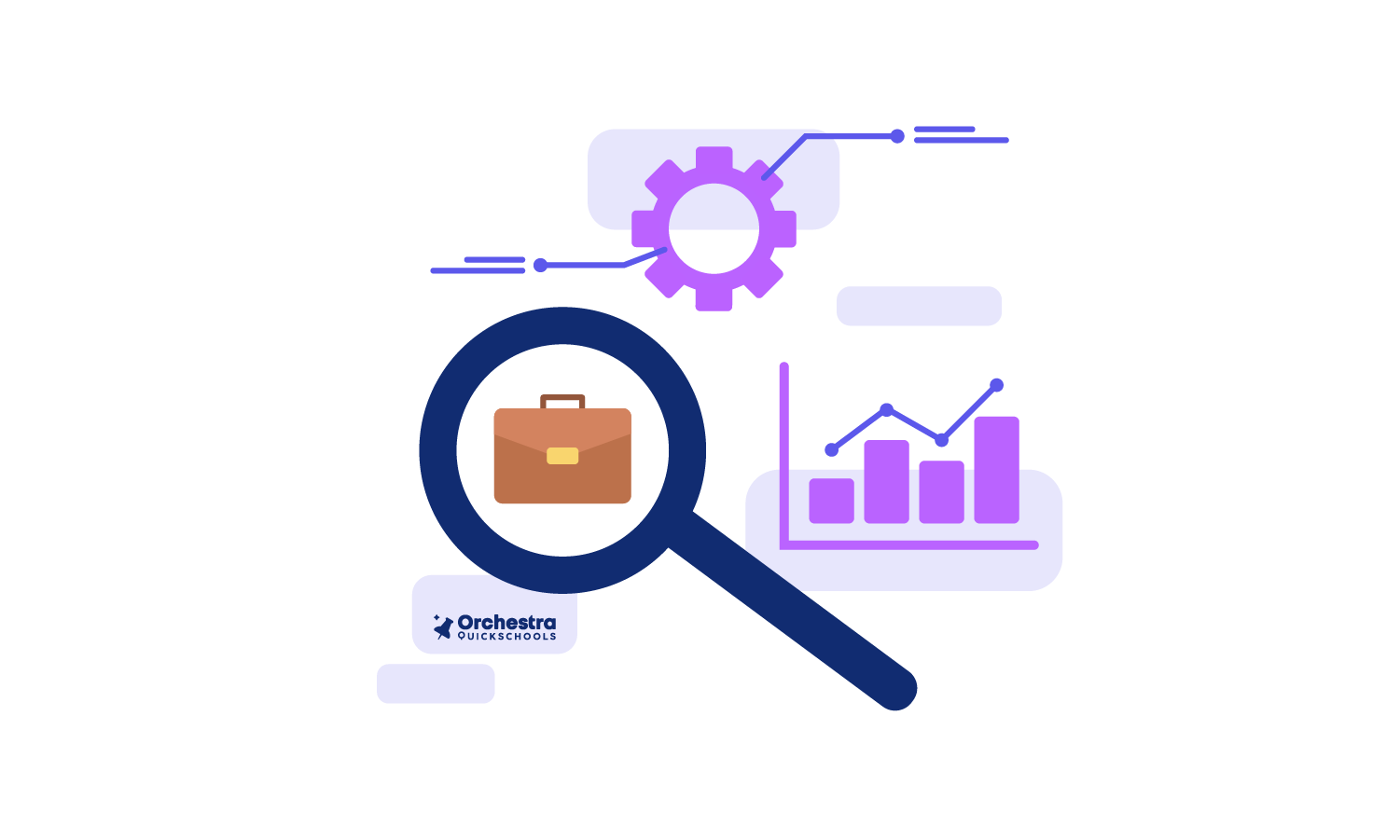
These are a few of the career roles you could possibly focus on after graduation. Also, as stated earlier, there is a possibility that by the time you graduate, new roles have emerged.
Examples of roles you can pursue include:-
- Machine Learning Engineer – design and deploy ML models; companies like Google, Amazon, and NVIDIA
- Data Scientist – analyze complex datasets and generate insights; employers include IBM, Facebook, and Deloitte
- AI Research Scientist – develop new AI algorithms and approaches; institutions like OpenAI, DeepMind, and Microsoft Research
- Computer Vision Engineer – build AI systems that interpret visual data; employers include Tesla, Apple, and Boston Dynamics
- Natural Language Processing (NLP) Specialist – work on language understanding, chatbots, and translation; companies like Meta, Amazon Alexa, and Grammarly
- AI Product Manager – bridge AI technology and business strategy; roles at startups and companies like Salesforce and Oracle
U.S. Colleges Offering AI Degrees

Here are several U.S. universities that are strong or increasingly known for AI-focused programs:
- Carnegie Mellon University (CMU) — CMU is well-known for its AI research and was among the first to offer a B.S. in Artificial Intelligence
- University of Pennsylvania — Penn offers a specialized AI-focused bachelor’s program.
- Massachusetts Institute of Technology (MIT) — MIT’s Schwarzman College of Computing emphasizes AI and decision-making in its curricula.
- University of Texas at San Antonio (UTSA) — UTSA is launching a College of AI, Cyber, and Computing program to focus on artificial intelligence and related fields.
- Purdue University — Purdue offers a B.S. in AI, and it has an Institute for Physical AI.
- Stanford University — While not a pure AI bachelor’s, Stanford offers a Computer Science degree with AI and ML courses.
- Georgia Institute of Technology (Georgia Tech) — Georgia Tech’s “threads” system lets students specialize in “intelligence” (AI) via computing courses.
- Drake University — Drake University offers a B.A. in Artificial Intelligence, an interdisciplinary program combining CS, math, business, and even humanities.
How Students Can Prepare in High School
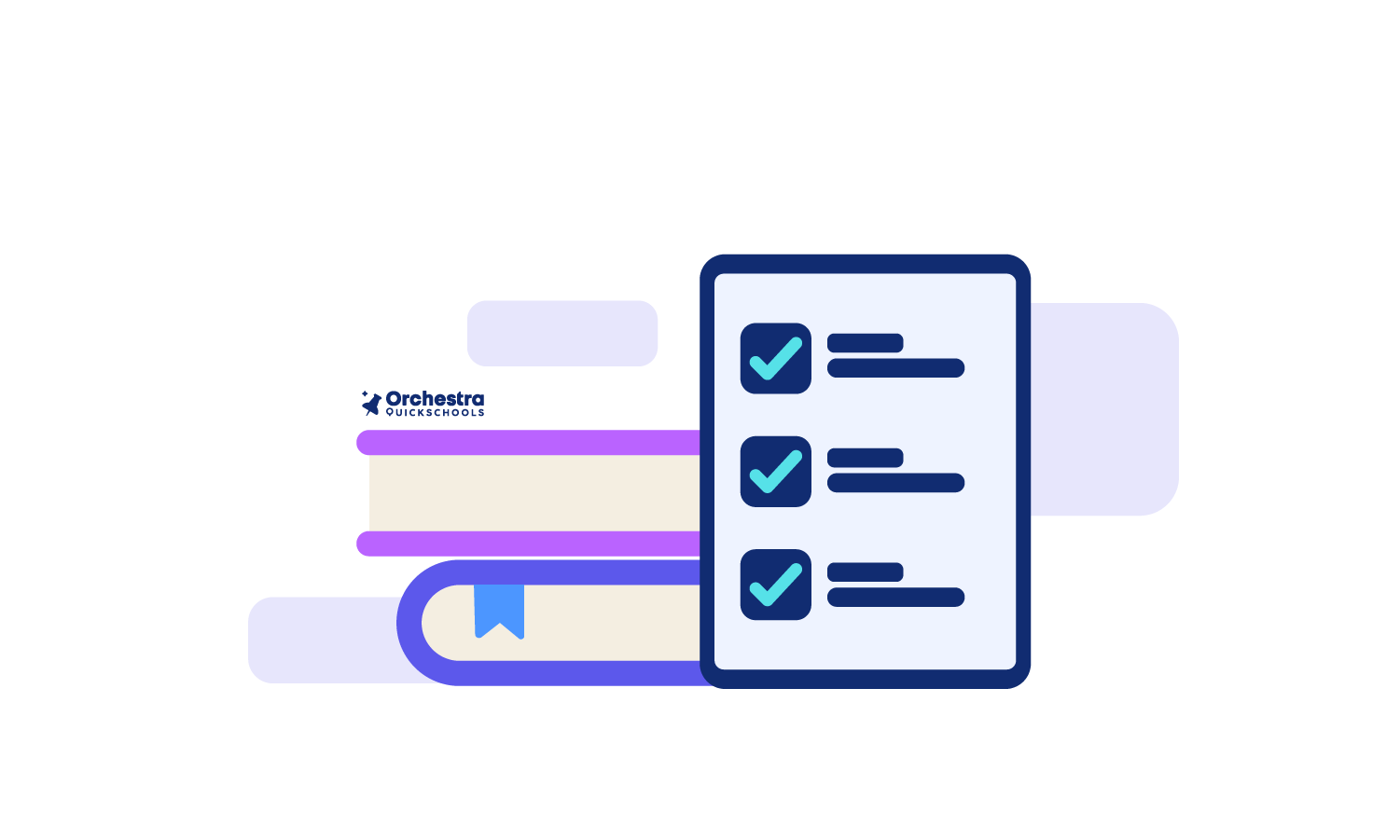
If you’re a high school student thinking about AI, here are some of the things you can focus on that can help you prepare for your applications for a course in AI.
- Take the right courses: Math (up to calculus), computer science, statistics, and physics will be very useful classes to take for this particular course.
- Get involved: Join robotics clubs, code your own small projects, or take online AI classes (like Coursera, edX). This will help you to gain more hands-on experience as well.
- Build a portfolio: Small projects, such as the ones above or even a chatbot or a data analysis, can help you stand out amongst other applicants.
- Map out your schedule: Work with your school counselor or use a scheduling tool to plan when to take APs, STEM electives, and prerequisites.
Is the AI College Route for You?
AI is a powerful and rapidly growing field, but it isn’t for everyone, and that’s perfectly fine. Success in AI requires curiosity, logical thinking, and a solid foundation in math. If you find math particularly challenging or stressful, it’s worth considering whether a long-term career in AI is the right fit.
On the other hand, if you love math, enjoy problem-solving, innovation, and exploring how technology can shape the future, studying AI in college can be a rewarding path. It not only prepares you for a variety of careers but also allows you to engage with work that excites and motivates you.
Remember, career paths aren’t set in stone. Even if you decide AI isn’t for you down the road, the skills you develop, such as critical thinking, coding, and data analysis, will be valuable in many other areas. Continuous learning and curiosity are what ultimately drive growth, no matter which route you take.
 Blog
Blog 