
We love to circle dates on calendars. Game days, school dances, long weekends, summer break. October 10 gets one too: World Mental Health Day. Too often, though, it shows up like a guest speaker at assembly. A one-off talk, some posters in the hallway, maybe a hashtag or two. And then it is gone, filed away until next year. It does not have to be that way. Mental health is not a single event to acknowledge, but a constant in the school experience. When October 10 is viewed as the beginning of a longer journey rather than a box to tick, schools create space for lasting change rather than fleeting awareness.
- Why does World Mental Health Day matter in schools?
- What can schools do on October 10?
- How can schools support student mental health year-round?
- How can teachers prepare without feeling like therapists?
- Do Peer-Support Programs Really Work?
- How can schools involve parents in student mental health?
- How can schools measure if mental health programs are working?
- Can schools use technology to support mental health?
- How can schools keep mental health a priority after World Mental Health Day?
Why does World Mental Health Day matter in schools?

For students, it is a reminder that their worth is not measured only in grades or goals, but also in how they are handling their emotions while chasing them. But school is not always a safe or easy place. Bullying, friendship fallouts, the feeling of being left out, or carrying heavy family struggles. All of these can make a classroom feel overwhelming. For some children, school is the only place where an adult might notice the weight they are carrying.
For educators, it is a pause button. A chance to step outside the grind of curriculum and deadlines and ask, “How are you, really?” Yet many teachers are already stretched thin. New staff may be navigating unfamiliar systems, and experienced ones are often running on empty, trying to pour from a cup that feels dry. When teachers are exhausted, it becomes even harder to give the calm presence students need.
Anxiety does not wait for exam week. Stress does not politely show up during finals and leave afterward. Family conflict, peer pressure, and the quiet loneliness of feeling invisible can press on a student’s shoulders every single day. Schools matter here because students spend more than 1,000 hours a year in classrooms. In many cases, teachers see kids more consistently than their own families. That makes schools not just a place to learn, but a frontline space where students can feel seen, supported, and reminded they are not alone.
What can schools do on October 10?
The default move for World Mental Health Day is usually a big event: invite a guest speaker, set up a wellness fair, run a themed assembly. They grab attention, create awareness, and show students that the day matters.
However, one event will not change the quiet realities if everything returns to “business as usual” the next morning. The deeper impact comes from the small, consistent actions.
Start with touchpoints that become part of the rhythm of the day. A morning announcement with a myth-busting fact about mental health. Two minutes of guided breathing before a math test. A stretch break after history class. Many schools already draw on simple brain gym techniques. These exercises do not take up a lot of time and are shown to boost focus, coordination, and calm the mind. They are small acts of care that tell students: your mind matters here.
Equally powerful is giving students a voice. A student-led podcast on coping strategies, peer-designed posters with positive messages, or daily tips shared on school social media resonate in ways adult campaigns often cannot. Students listen differently to peers, and it often cuts through more clearly.
None of this requires big budgets or complicated logistics. What it requires is intention and the courage to keep the conversation going after the posters come down. Because when schools weave mental health into the ordinary rhythm of the day, it stops being a theme for October and starts becoming part of the culture.
How can schools support student mental health year-round?
1. Normalize Mental Health in Daily Routines

Short, structured pauses in the school day are more than a nice idea. Research shows that even brief breathing or stretching exercises lower cortisol levels and sharpen focus. In practice, this might look like two minutes of guided breathing before a math test, or a quick “feeling word” check-in during homeroom.
Announcements can also play a role: sharing a daily myth-busting fact about mental health signals that emotions are part of the curriculum, not an afterthought. When these practices are repeated often enough, they stop feeling like add-ons and start shaping the culture. Students learn, without fanfare, that it is normal to pause, reflect, and talk about mental well-being.
2. Train Staff to Notice, Not to Fix
Teachers are not therapists, and they should not be asked to fill that role. But they can be powerful early detectors. Research from the National Institute of Mental Health shows that teachers are often the first adults to spot early warning signs, but only when they know what to look for. A one-hour training can cover the essentials: changes in attendance, sudden withdrawal from peers, mood shifts, or unexplained drops in performance. The training should also emphasize what to do next: respond calmly, validate the student’s feelings, and refer them to the right staff member.
Equally important is supporting the teachers themselves. Research from the American Psychological Association highlights that when teachers practice healthy boundaries and stress management, they are better able to model resilience for students. This ripple effect strengthens both staff wellbeing and classroom culture.
3. Elevate Student Leadership
Belonging is one of the strongest protective factors for mental health, according to the CDC. Peer-support programs build it by creating consistent connections. A buddy system might pair older students with younger ones for weekly check-ins. A more structured model could involve training student ambassadors who make themselves available at lunch or during breaks.
The structure matters. Students in these roles should not feel pressure to diagnose or fix. Their job is to listen, show kindness, and connect peers to adults when needed. When schools present these programs as leadership opportunities, students often step up with pride. They learn empathy, accountability, and courage, while their peers gain a sense of belonging.
4. Partner with Families
Parents and caregivers are often eager to help but unsure where to start. Studies show that when families feel confident in recognizing and responding to early signs of distress, students are more likely to seek help sooner. Schools can support this with practical, accessible tools.
This might be a 30-minute virtual town hall with the school counselor, or a simple handout that answers three questions: What should I look for? How do I start the conversation? Who do I contact at the school? Even a short video walkthrough of school supports can make families feel included. The goal is not to overwhelm parents with clinical detail, but to demystify mental health and give them a clear map of how the school is prepared to respond.
5. Track, Reflect, and Adjust
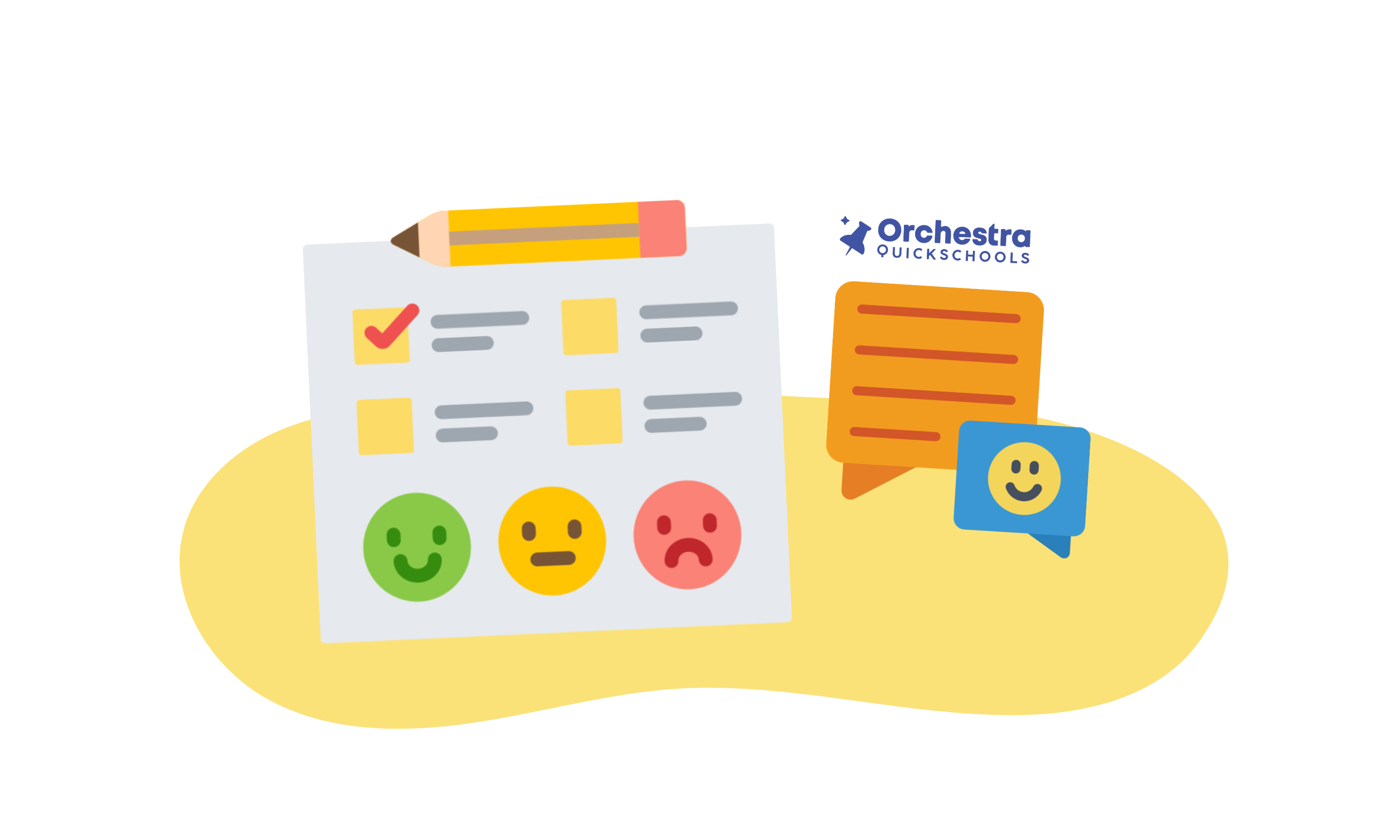
Awareness campaigns feel good, but impact requires measurement. Research shows that tracking outcomes through tools like surveys, attendance data, and behavior metrics helps schools strengthen their mental health strategies and secure ongoing support from leadership.
Simple questions are enough:
- How many classrooms ran mental health check-ins?
- How many students flagged “I’d like to talk” and how quickly did follow-up happen?
- Did attendance or nurse visits shift compared to the previous month?
These small data points become feedback loops. They show what is working, what is slipping through, and where adjustments are needed. They also help schools demonstrate to boards, parents, and leadership that mental health initiatives are not just gestures, but evidence-based practices worth sustaining.
How can teachers prepare without feeling like therapists?
This is the worry almost every teacher has but rarely says out loud: “Am I supposed to be a counselor now, too?” The answer is no. Teachers aren’t therapists, and they shouldn’t be asked to play that role. But they can be something just as powerful: the first pair of eyes and ears.
It doesn’t take years of training to notice when something’s off. A student who suddenly skips class, pulls away from friends, lashes out, or quietly slips from A’s to D’s. Often, what helps in the moment isn’t a perfect solution, but simply being present. A teacher who says, “I hear you, and your feelings are valid,” gives students a safe landing spot.
A short training session can outline three essentials:
- What to look for (the red flags)
- How to respond in the moment (listen, validate, don’t judge)
- Where to hand it off (the referral path, the next step)
That last piece is non-negotiable. Teachers need to know exactly who to go to, how to log a concern, and what follow-up will look like. Once they know they do not have to “fix” everything, the weight lifts.
Teacher wellbeing matters too. A staff culture that normalizes breaks, boundaries, and self-care does not just protect teachers. It models resilience for students, who notice when adults are running on empty and when they carry themselves with balance.
Do Peer-Support Programs Really Work?

Short answer: yes.
Students often listen more closely to each other than to adults. That’s not a knock on teachers or parents; it’s just how adolescence works. Belonging is the antidote to so much of the stress and anxiety young people carry, and peer-support programs tap directly into that.
Peer support can be simple, like pairing older students with younger ones for weekly check-ins. Or it can be more structured, with trained student ambassadors available for informal chats during breaks. Either way, clarity is key. Peer supporters are not mini-therapists. Their role is to listen, be kind, and involve an adult when needed.
When schools frame these roles as leadership opportunities, students rise to the responsibility, and children are also building skills in empathy and accountability.
How can schools involve parents in student mental health?
The conversation cannot stop at the classroom door, especially as students face a growing crisis of declining support at home and among peers. Oftentimes, parents and caregivers want to help, but many don’t know where to start. World Mental Health Day gives schools the perfect opening to bridge that gap.
This doesn’t need to be complicated. A 30-minute virtual town hall with the school counselor. A one-page guide emailed home. Even three clear takeaways can make a difference:
- What warning signs should I look for?
- How do I start the conversation if I’m worried?
- Who at school do I contact for help?
Parents do not need a textbook. They need clarity and a roadmap. And when families feel informed and empowered, they reach out earlier. That means schools can step in before challenges spiral.
How can schools measure if mental health programs are working?
Awareness feels good. However, without follow-through, it’s difficult to determine if anything has actually changed. The trick is to avoid tracking everything, but to focus on a small set of meaningful indicators. Too much data just creates noise. Try simple questions like:
- How many classrooms actually used the daily check-ins?
- How many students flagged “I’d like to talk” during surveys?
- What percentage of those students were followed up with within 48 hours?
- Did attendance, behavior, or nurse visits shift compared to the previous month?
They show what’s working, what’s slipping through, and where energy should go next.
Can schools use technology to support mental health?

Yes, if it’s used as a support, not a substitute.
The heart of mental health work will always be human connection. However, technology can smooth the edges and keep good initiatives from fading out. A student information system can send reminders, log referrals, route concerns to counselors, and create dashboards that show overall participation. It can clear the administrative clutter so teachers and counselors can see the whole picture.
How can schools keep mental health a priority after World Mental Health Day?
Awareness days make a splash, but students notice what happens after the noise fades. If the posters come down and the routines return unchanged, the message can feel hollow. To emphasize mental health as a priority, October 10 has to be the spark, not the finale. That means carrying forward the small daily practices, the peer connections, the staff training, and the open doors for families long after the day itself has passed.
When schools keep showing up consistently, not just once a year but in the steady rhythm of ordinary days, students feel it. For the child who feels invisible, for the teenager carrying unspoken burdens, that ongoing signal can mean the difference between silence and reaching out. In the end, the real power of World Mental Health Day is not the single date on the calendar but the culture it helps create year-round.
 Blog
Blog 