
In education, time is one of our most powerful tools, yet it is often underutilized. For decades, schools have relied on rigid, one-size-fits-all schedules that dictate not just when students learn but often how deeply they’re able to engage with the material. As conversations around student-centered learning and instructional innovation gain momentum, it’s time we ask: Is the traditional school schedule limiting student success and holding teachers back? Let’s examine how flexible scheduling can boost student success and help teachers thrive.
- The Problem with Traditional School Schedules
- Rethinking Time: What Flexible Scheduling Can Offer
- How Flexible Scheduling Fuels Student Growth
- Why Flexible Scheduling Matters for Teachers and Schools
- Making It Happen: Tools to Support Smarter Scheduling
The Problem with Traditional School Schedules

Most schools still operate on rigid structures built for administrative convenience rather than optimal learning. Standardized class periods, typically 45 to 60 minutes long, are repeated daily with little variation. While this approach provides predictability, it comes at a cost.
Students often face limited options when it comes to choosing electives or advanced coursework. A rigid master schedule can create unavoidable conflicts, meaning that many students miss out on subjects they’re deeply interested in simply because of timing issues. This lack of choice restricts both academic development and personal growth.
Additionally, a uniform schedule doesn’t match the diverse nature of instructional needs. Some subjects thrive in long, uninterrupted sessions (think science labs or literature discussions), while others benefit from short, frequent reinforcement, like language learning. When all classes are the same length, regardless of content, opportunities for deeper understanding and retention are diminished.
This structure also fragments the school day, forcing students to constantly shift gears. Just as they settle into a discussion or start gaining momentum on a project, the bell rings. This stop-start rhythm disrupts concentration and limits meaningful engagement. For teachers, the pressure of back-to-back classes leaves little time for preparation, collaboration, or personalized student support. Perhaps it’s time schools start building better schedules to meet these needs?
Rethinking Time: What Flexible Scheduling Can Offer
Rather than eliminating structure, flexible scheduling reimagines it. These models provide schools with the tools to shape learning time more intentionally, giving students more agency and teachers more bandwidth to teach well.
Block Scheduling: Creating Space for Mastery

In a block schedule, classes meet fewer times per week but for longer periods, typically around 90 minutes. This extended time allows students to immerse themselves in complex tasks without being rushed. Teachers can guide richer, more in-depth discussions, incorporate hands-on learning activities, and provide individualized attention in a way that’s rarely possible within traditional time constraints. With fewer class transitions each day, instructional time is maximized, and students experience a more focused, less fragmented school day.
Rotating Schedules: Disrupting the Monotony
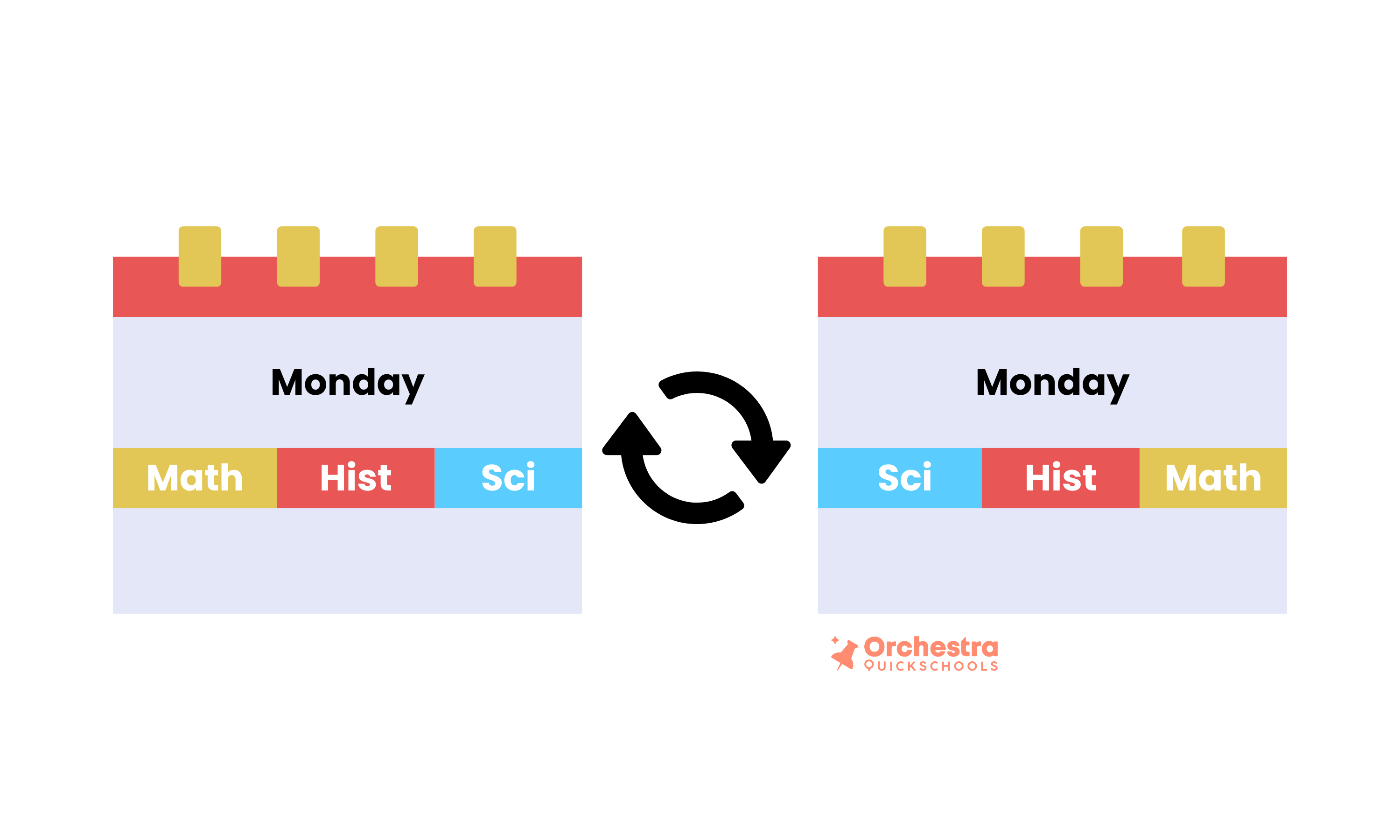
Rotating schedules adjust the order of classes each day so that no subject always falls at the same time. This subtle shift can have a big impact. For example, a student who struggles to focus on math early in the morning may find they perform better when the subject rotates to a later time. Rotating schedules keep students mentally fresh by varying the pace of the day and reducing the fatigue that comes from routine repetition. It’s also a more equitable approach where every subject gets its moment in the spotlight.
Modular Scheduling: Tailoring the Learning Day
Modular scheduling breaks the school day into variable-length time blocks that reflect the needs of different subjects. A science lab might require 80 minutes, while a brief advisory or study hall could be just 20. This approach gives students and educators flexibility to allocate time where it’s needed most. Students who need additional support in a subject can schedule more time with that teacher, while those who excel can move ahead or explore enrichment opportunities. Modular scheduling empowers learners to take control of their educational journey and develop time management skills along the way.
Hybrid & Online Learning: Expanding the Learning Environment
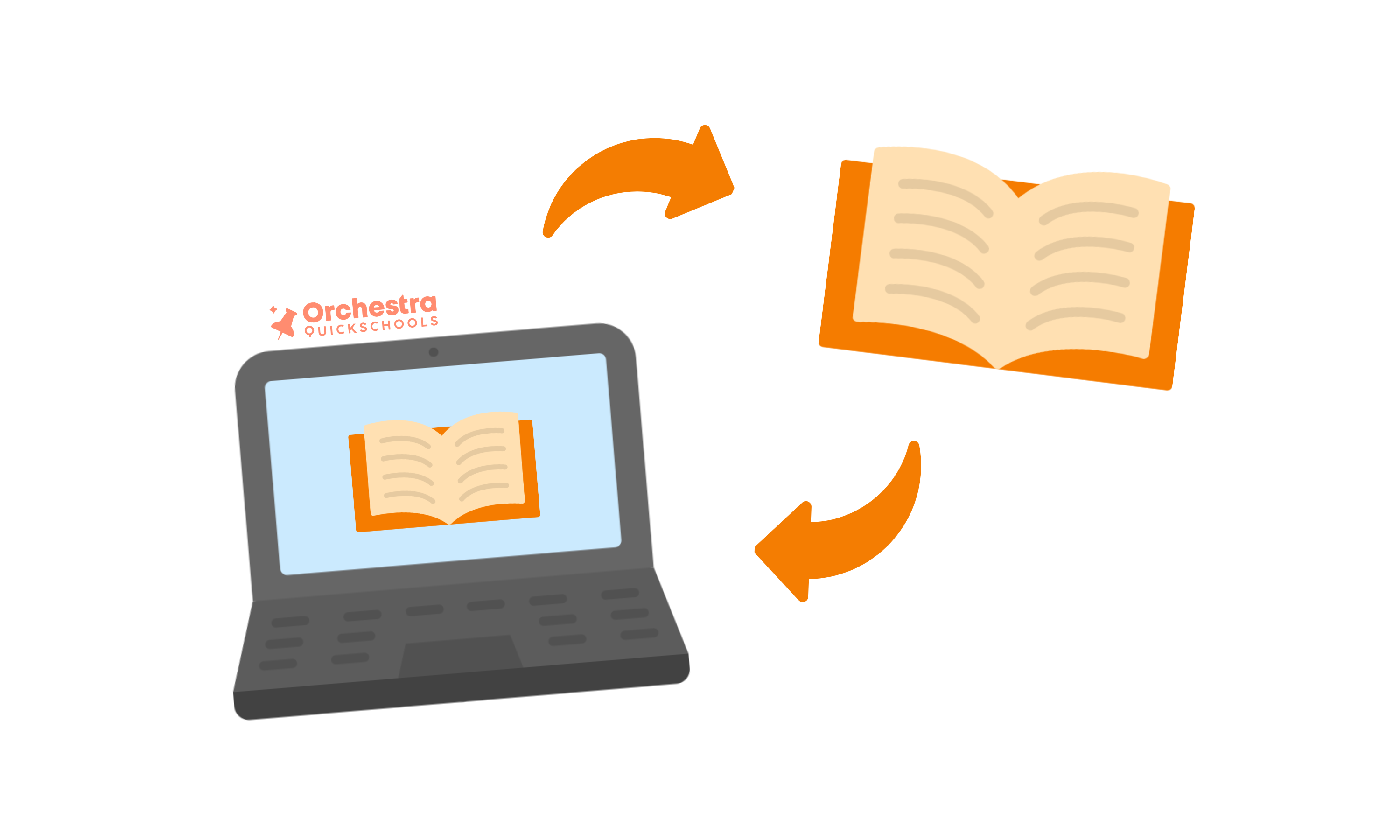
The integration of online or blended learning into school schedules offers even more flexibility. Students can take certain courses virtually. Whether for credit recovery, enrichment, or to access courses not available on campus, while still participating in face-to-face instruction for core subjects. This model supports personalized pacing, allowing students to revisit materials at their own speed, and gives schools the ability to optimize classroom space and teacher time. Hybrid scheduling can be particularly useful for schools looking to broaden their curriculum without overextending resources and keeping up with the latest trends in educational settings.
How Flexible Scheduling Fuels Student Growth
One of the greatest benefits of flexible scheduling is its potential to personalize learning. Students are better able to align their schedules with their strengths, interests, and challenges. Whether it’s building more time into subjects where they need support or diving deeper into areas of passion, a tailored schedule leads to increased academic confidence and success.
Longer, more focused class periods support deeper learning by giving students the time to think critically, ask questions, and apply concepts in real-world contexts. The reduction in daily class transitions means less cognitive load and more sustained engagement with content.
Students also become more invested when they have a voice in how they learn. The ability to choose electives, adjust workloads, and manage time nurtures autonomy and motivation. These skills are essential not just in the classroom but in preparing students for life beyond school.
Why Flexible Scheduling Matters for Teachers and Schools

With fewer classes to prepare for each day, teachers have more time to craft meaningful lessons, differentiate instruction, and integrate collaborative projects. The quality of instruction improves when educators aren’t stretched thin.
This scheduling approach also creates opportunities for teacher collaboration and cross-curricular planning. With shared prep times and interdisciplinary blocks, educators can work together to design integrated units that connect concepts across subjects, making learning more cohesive and engaging.
Just as importantly, flexible schedules contribute to better work-life balance. By allowing time for planning, professional development, and reflection, schools create healthier conditions for teachers to thrive, and where new hires are more likely to say yes. In a competitive hiring landscape, a flexible and supportive schedule can be a powerful draw for teacher recruitment and retention.
Making It Happen: Tools to Support Smarter Scheduling
Of course, implementing flexible scheduling comes with logistical challenges. From managing customized timetables to ensuring classroom availability, schools need the right tools to adapt to new changes.
That’s where Orchestra, our online master scheduler, comes in. Designed to support complex and personalized scheduling needs, Orchestra makes it easy for schools to build flexible schedules like block, rotating, modular, or hybrid formats. The smart algorithm simplifies the entire process, and schools can build a full master schedule as early as just three days.
For schools serving younger students or operating with simpler scheduling needs, QuickSchools Student Management System offers a built-in, easy-to-use, simple scheduler that helps administrators stay organized and efficient without unnecessary complexity. Whether your school needs a high-powered engine for personalized high school schedules or a straightforward system for elementary timetables, we’ve got you covered.
By embracing flexible scheduling, schools can give students the time and space to truly thrive. It’s not just about fitting everything, but making time work better for learners and educators alike.

 Blog
Blog 