
Inclusive education is a transformative approach that ensures every student can learn alongside their peers, regardless of their abilities or backgrounds. According to the World Health Organization (WHO), approximately 16% of the global population lives with a disability, which means a significant portion of students have learning or developmental needs that must be addressed in the classroom. By fostering inclusive education strategies, educators can create environments where all students can thrive academically and socially.
- The Importance of Inclusive Education Strategies
- Key Principles of Inclusive Education
- Strategies for Creating an Inclusive Classroom Environment
- Role of Technology in Inclusive Education
- Challenges and Solutions in Implementing Inclusive Education
The Importance of Inclusive Education Strategies
Inclusive education goes beyond accommodating students with disabilities. It is about creating a learning environment that benefits all learners by building empathy, collaboration, and understanding.
Globally, policies like the UN’s Sustainable Development Goal 4 emphasize the importance of inclusive education in achieving equity for all students. In the United States, the Individuals with Disabilities Education Act (IDEA) legally mandates that students with disabilities have the right to be educated alongside their peers in the least restrictive environment. These laws recognize the need to provide all students with equitable access to education and learning opportunities.
Moreover, inclusive education supports holistic development. Students are not only learning academic subjects but also developing social skills that are crucial for their future lives.
Key Principles of Inclusive Education
One of the foundational principles of inclusive education is the Universal Design for Learning (UDL). UDL is a framework that aims to remove barriers to learning by offering multiple ways for students to engage with the content, express their understanding, and participate in the classroom. This flexible approach ensures that learning is accessible to all students, regardless of their individual needs.
Another key principle is differentiated instruction, where teachers adjust their methods to cater to the unique learning needs of each student. This could mean offering different types of learning materials, varying the pace of instruction, or using diverse methods to assess student progress. By adapting lessons to meet the diverse needs of learners, teachers can create more equitable opportunities for success.
Collaborative teaching models are also essential in inclusive classrooms. Co-teaching, where general education and special education teachers work together, supports students with varying needs better. Peer-assisted learning models can also be highly effective, as they promote collaboration and a sense of shared responsibility among students.
Finally, inclusive education is fundamentally student-centered, involving students in their own learning processes. By giving students choices in how they learn and demonstrate their understanding, educators empower them to take ownership of their education.
Strategies for Creating an Inclusive Classroom Environment
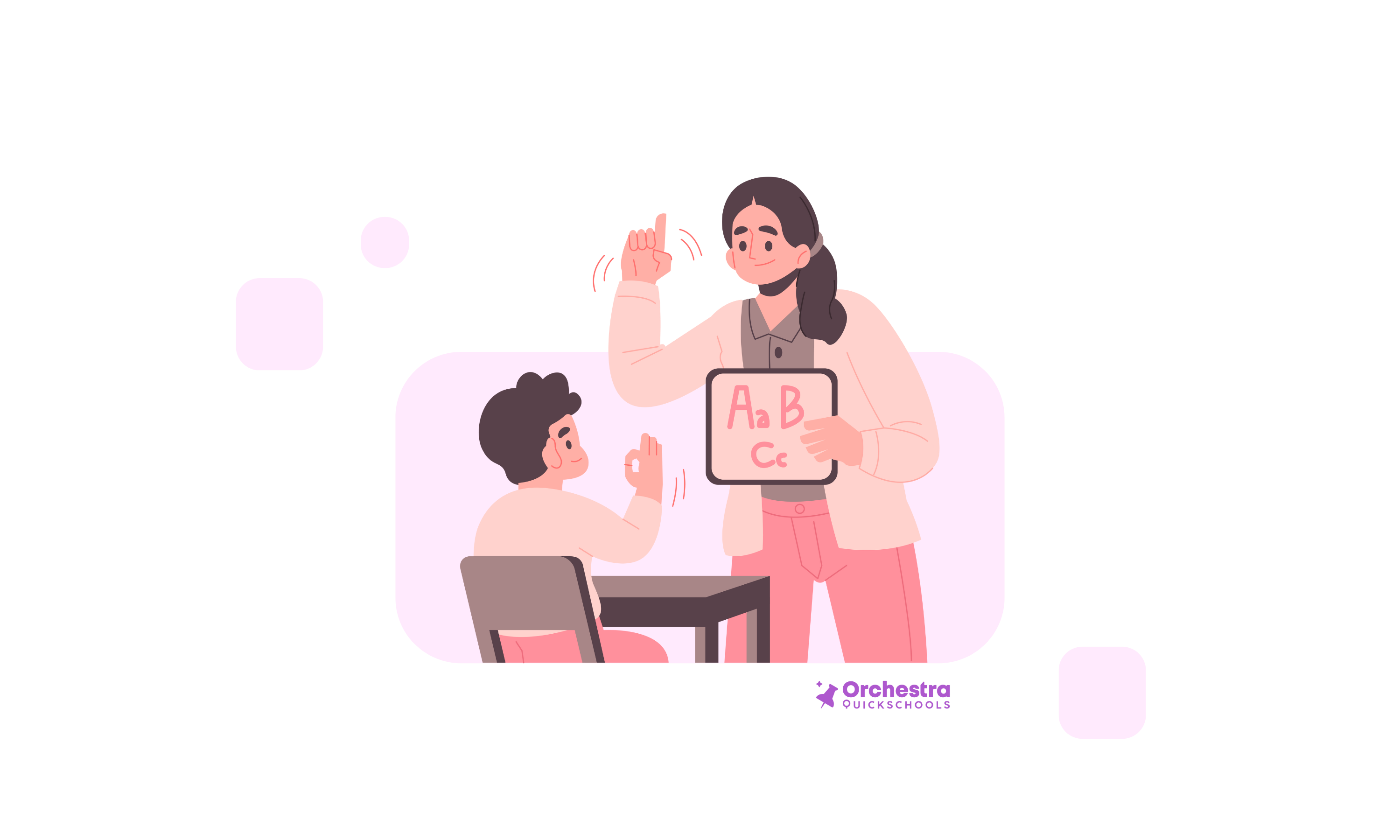
Creating an inclusive classroom environment begins with fostering a welcoming climate. Teachers can cultivate a sense of belonging by setting ground rules for respectful behavior, promoting open communication, and encouraging kindness among students. Classroom design can also play a role by ensuring that physical spaces are accessible and adaptable to different needs.
Adapting curriculum and assessments is another essential strategy. Teachers should offer multiple ways for students to engage with the material, such as using visual aids, hands-on activities, or digital tools. Assessments should be flexible, offering students different ways to demonstrate their knowledge, such as through oral presentations, written reports, or creative projects.
Educators must ensure accommodations and modifications are in place for students with specific learning or physical needs. This could include providing assistive technology, such as screen readers for visually impaired students or extra time for exams to reduce stress for students with learning disabilities.
Peer support and collaboration can also create a strong sense of community in the classroom. Group projects, study buddies, or peer tutoring programs encourage students to support each other, making the classroom a more inclusive environment.
Role of Technology in Inclusive Education

Technology plays a vital role in making inclusive education possible. Assistive technology tools, such as speech-to-text programs or sensory tools, help students with disabilities participate fully in the classroom. For example, students with dyslexia can benefit from programs that convert text to speech, enabling them to access reading materials with greater ease.
Moreover, an online master scheduler software can be a critical tool for educators. For example, when managing individualized education programs (IEPs), where scheduling is more complex. This type of master scheduler software helps teachers and administrators schedule, track, and manage accommodations seamlessly. It ensures that the educational needs of all students are met. Communication is also streamlined, making it easier for teachers, parents, and support staff to collaborate on student progress.
In addition, virtual learning platforms offer personalized learning experiences, allowing students to progress at their own pace. For instance, adaptive learning software can adjust the difficulty of tasks based on the student’s performance. This provides targeted support when needed. Technology enables educators to track student progress in real-time. Teachers can quickly identify areas where additional support is needed. They can then adjust their strategies to meet the needs of their students better.
Challenges and Solutions in Implementing Inclusive Education
Despite its many benefits, inclusive education comes with challenges. One of the biggest barriers is the lack of resources. Whether it be funding, specialized staff, or time for teachers to implement inclusive practices. Teacher burnout is also a significant concern. Especially when educators feel they lack the tools to meet the diverse needs of their students.
However, there are solutions to these challenges. Professional development opportunities can equip teachers with the necessary skills and strategies to manage diverse classrooms effectively. Advocating for increased funding and support at the policy level can be helpful. Schools will obtain the resources they need to implement inclusive education. Additionally, involving families and community organizations in the educational process can provide valuable support for both teachers and students.
School administrators play a crucial role in fostering inclusion. For instance. by setting clear expectations, providing resources, and supporting teachers to create inclusive classrooms. With strong leadership, inclusive education can become a reality in more schools.
Building a Supportive Environment
Inclusive education benefits not only students with disabilities but all learners. Educators are fostering a more empathetic, collaborative, and equitable society by creating environments where students of diverse abilities and backgrounds can learn together. Whether you are a teacher, administrator, or parent, we encourage you to take steps toward creating more inclusive learning environments. By embracing inclusive education, we can ensure that every student feels valued, supported, and empowered to reach their full potential.
 Blog
Blog 
2 thoughts on “Inclusive Education Strategies: How to Build a Supportive Environment for Every Student”