
As educators, heading back to school after a long summer break can be both exciting and challenging. It’s a time to reconnect with students, set the tone for the upcoming academic year, and create a positive learning environment. As summer winds down and the new academic year approaches, educators everywhere prepare to welcome a fresh cohort of eager students. To help you make a smooth transition, here are some valuable tips to help you prepare for a successful and fulfilling school year for you and your students.
- Back to School Tip #1 Reflect on the Past Year
- Back to School Tip #2 Plan Engaging Lesson Plans
- Back to School Tip #3 Establish Classroom Rules and Expectations
- Back to School Tip #4 Build Positive Relationships
- Back to School Tip #5 Integrate Technology and AI wisely
Back to School Tip #1 Reflect on the Past Year

Before diving into the new academic year, take a moment to reflect on your experiences from the previous year. Celebrate your successes and identify areas where you can improve. This self-reflection will serve as a foundation for refining your teaching strategies and fostering growth in the classroom. Use these insights to shape your approach for the new academic year.
Celebrate Your Successes
Start your reflection by acknowledging and celebrating the accomplishments and triumphs you experienced during the previous academic year. Recognize the positive impact you had on your students’ lives, the growth you observed in their learning, and the connections you formed with them. Celebrating your successes not only boosts your confidence but also reinforces your commitment to providing excellent education.
Identify Areas for Improvement
While celebrating successes is important, it’s equally essential to identify areas where you can improve. Reflect on any challenges you encountered, whether it be in lesson delivery, classroom management, or relationships with students. Recognizing these areas for growth is not a sign of weakness. Instead, it demonstrates your dedication to continuous improvement as an educator.
Analyze What Worked Well
Analyze the teaching strategies and methods that proved successful in engaging students and facilitating their learning. Consider the lessons that resonated most with your class and the activities that sparked enthusiasm among students. Understanding what worked well allows you to replicate these effective approaches in the new academic year.
Seek Feedback from Students and Peers
Don’t hesitate to seek feedback from your students about their learning experiences in your classroom. Listen to their perspectives, understand their preferences, and consider their suggestions for improvement. Additionally, collaborating with fellow educators and discussing your teaching methods can provide fresh insights and alternative viewpoints.
Back to School Tip #2 Plan Engaging Lesson Plans
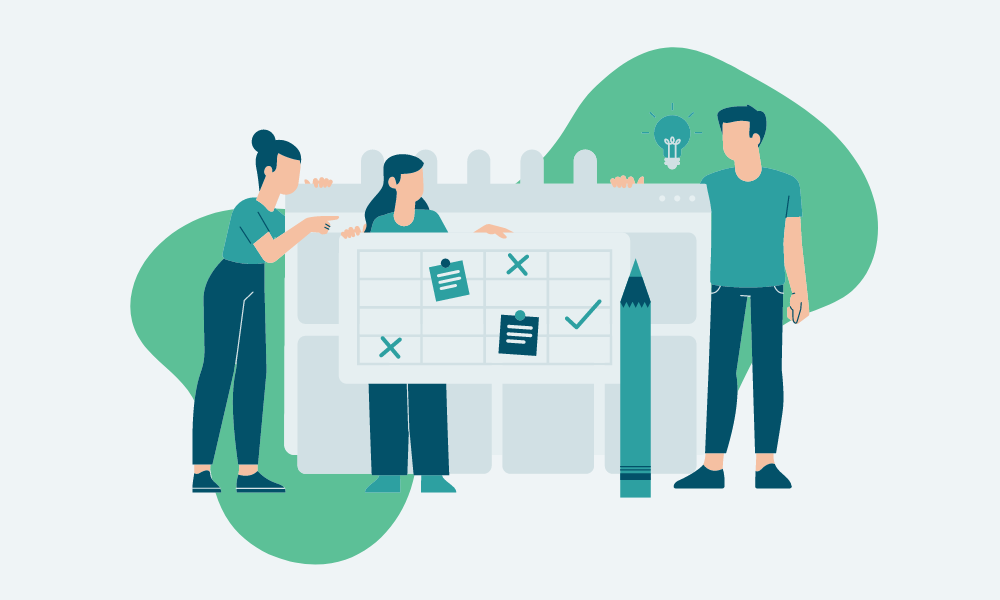
Develop well-structured and engaging lesson plans that cater to various learning styles. Incorporate interactive activities, multimedia resources, and hands-on experiments to pique your students’ interests and keep students engaged.
Understand Your Students’ Learning Styles
Before designing your lesson plans, take the time to understand your students’ diverse learning styles. Some students may be visual learners who benefit from visual aids and diagrams, while others may be auditory learners who learn best through discussions and verbal instructions. By recognizing these differences, you can tailor your lessons to accommodate each student’s unique needs.
Set Clear Objectives
Begin each lesson with clear and measurable learning objectives. Communicate these goals to your students, so they understand what they are expected to achieve by the end of the lesson. Clear objectives provide a sense of purpose and direction, guiding students’ focus during the learning process.
Incorporate Interactive Activities and Multimedia Resources
Infuse your lesson plans with interactive activities that encourage active participation from students. These activities can include small group discussions, debates, role-plays, and simulations. Interactive elements promote collaboration, critical thinking, and problem-solving skills, making the learning experience more dynamic and enjoyable. Integrating multimedia resources into your lessons can make the content more engaging and relatable. Videos, animations, and interactive presentations can help clarify complex concepts, spark curiosity, and offer real-world examples.
Back to School Tip #3 Establish Classroom Rules and Expectations

Establishing classroom rules and expectations is a crucial step in creating a conducive and harmonious learning environment. When students understand the rules and consequences from the very beginning, it sets a positive tone for the entire academic year.
Setting a Positive Tone
On the first day of school, as students walk into your classroom, they should be greeted with a warm and inviting atmosphere. Establishing clear rules and expectations from the outset sends a powerful message that you are committed to maintaining a positive and respectful learning environment. This sets the tone for students to approach their studies with enthusiasm and engagement.
Defining Boundaries
Classroom rules provide a structure that defines acceptable behavior and conduct. Clearly outline what behaviors are expected and unacceptable in your classroom. This clarity helps students understand the boundaries and prevents misunderstandings regarding what is permissible during class time.
Ensuring Consistency
Consistency is a cornerstone of effective classroom management. Students need to know that the rules apply to everyone, and no one is exempt from the consequences of their actions. Being consistent in enforcing rules fosters a sense of fairness and accountability among students, leading to a more respectful and well-ordered learning environment.
Encouraging Mutual Respect
When classroom rules and expectations are communicated and upheld consistently, students learn to respect not only the rules but also their peers and the teacher. A culture of mutual respect develops, where students feel safe expressing their thoughts and opinions while being mindful of others’ perspectives.
Back to School Tip #4 Build Positive Relationships

Create a welcoming and inclusive atmosphere by building positive relationships with your students. Show genuine interest in their lives and encourage open communication. Positive relationships with educators have the potential to leave a lasting impact on students’ lives. When students experience the positive influence of a caring teacher, they are more likely to develop a lifelong love for learning and recognize the value of education in their personal and professional journeys.
Establishing Trust and Rapport
Creating positive relationships with students begins with establishing trust and rapport. Show genuine interest in their lives, thoughts, and feelings. Be approachable and receptive to their concerns and ideas. When students trust you as a caring and supportive educator, they are more likely to seek guidance and share their struggles, allowing you to better understand and address their individual needs.
Valuing Diversity and Inclusion
A welcoming and inclusive atmosphere acknowledges and celebrates the diversity of the student body. Embrace each student’s unique background, experiences, and perspectives. Be mindful of cultural sensitivities and ensure that your classroom is a safe space where every student feels respected and appreciated for who they are.
Supporting Social-Emotional Development
Educators play a vital role in supporting students’ social-emotional development. By building positive relationships, you create a nurturing environment that allows students to develop essential life skills such as empathy, resilience, and effective communication. These skills contribute to their overall emotional well-being and readiness for future challenges. Supporting student well-being will also create a safe space for them to express their feelings and concerns, and be ready to offer support when needed.
Resolving Conflicts Effectively
Conflicts can be addressed more effectively in a classroom where positive relationships exist. When students trust and respect their teacher, they are more likely to accept guidance in resolving conflicts and learning to communicate their feelings constructively. This promotes a healthy and harmonious classroom dynamic.
Back to School Tip #5 Integrate Technology and AI wisely

EdTech is reshaping how we approach education, offering tools that enhance learning, empower educators, and bridge gaps across classrooms. Technology is now a natural part of education, but with its many benefits comes the responsibility to use it thoughtfully. When integrated with intention, digital tools and AI can enrich learning while preserving the human connection that lies at the heart of education.
Enhance the Learning Experience
From educational apps and interactive platforms to virtual simulations and adaptive software, technology can bring lessons to life in once unimaginable ways. These tools offer students the chance to explore complex concepts visually, engage with content actively, and access information far beyond the textbook. When used effectively, technology can transform the learning process into something more dynamic, personalized, and meaningful.
Foster Collaboration and Communication
Digital platforms open doors to collaboration that extend well beyond the classroom walls. Whether students are working together on shared documents, participating in virtual group projects, or exchanging ideas with peers around the world, technology supports the development of essential communication and teamwork skills. It encourages students to think globally and work together respectfully and creatively.
Encouraging Critical Thinking and Problem-Solving
Interactive technology can also be a powerful driver of higher-order thinking. Educational games, coding platforms, simulations, and scenario-based tools invite students to apply knowledge, test solutions, and reflect on outcomes. These hands-on experiences not only reinforce academic concepts but also build resilience, curiosity, and analytical thinking.
Promote Digital Literacy and Responsibility
As AI and digital content become more prevalent, it’s essential to teach students how to navigate the digital world responsibly and avoid misuse. Help them develop critical skills like evaluating sources, recognizing AI-generated material, protecting their privacy, and engaging ethically online. By promoting digital literacy, we empower students to become thoughtful, informed participants in the digital age.
Keep the Human Element Alive
As much as technology can support learning, it should never replace the core of education: human connection. Classroom discussions, face-to-face interactions, and meaningful relationships between teachers and students remain irreplaceable. No algorithm can replicate the impact of a teacher who listens, understands, and inspires.
Heading back to school as an educator is an opportunity to empower, connect, and grow. By blending innovation with empathy, you can create a classroom that embraces the future while staying rooted in what matters most. We hope you find these tips helpful, and we wish you a wonderful start to this new school year!
 Blog
Blog 
3 thoughts on “Back to School Brilliance: Summer Break to Classroom Tips for Educators”